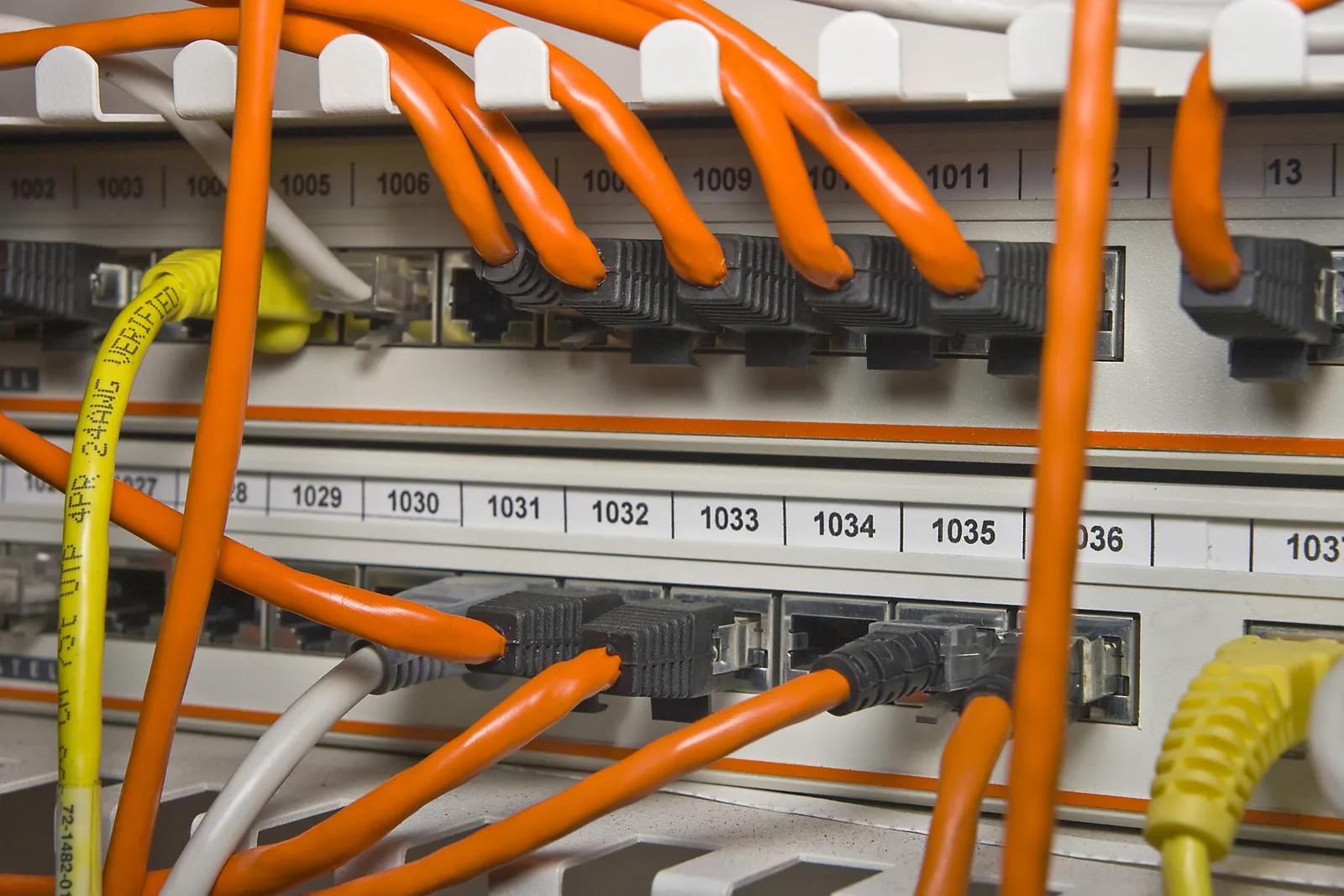
How API Integrations Improve Emergency Response Coordination
Nov. 11th, 2026 12:00 pm
During an incident, your team juggles dispatch updates, weather warnings, maps, and partner reports from many separate systems. An application programming interface (API) lets those systems share data automatically instead of relying on manual copying. The API integrations emergency response teams build today determine how fast accurate information reaches every decision maker.
In this article, you will learn what API integrations do and which systems deserve a connection first. You will also see how to plan and secure integrations that hold up under real incident pressure. Every insight applies whether you coordinate response for a county, a campus, a utility, or a government agency.
How Do API Integrations Improve Emergency Response?
API integrations improve emergency response by connecting separate systems so data flows between them automatically and in real time. Dispatch calls, weather alerts, map layers, and resource updates appear in one platform without anyone retyping information. As a result, every partner works from the same accurate picture and makes faster, better-informed decisions.
What API Integrations Do for Emergency Response Teams
Think of an API as a translator that lets two software systems exchange information using an agreed set of rules. The API integrations emergency response agencies depend on move data the moment it changes, without human handoffs. Consequently, your team spends less time collecting information and more time acting on it.
First, integrations eliminate double entry, so a call logged in dispatch appears instantly in your incident platform. Second, automated updates cut transcription errors that creep in when staff retype addresses or unit numbers. Third, shared data lets partners in different buildings see identical information at the same moment.
According to the National Weather Service (NWS), the agency shares forecasts, alerts, and observations through a public data API. Connecting that feed means warnings reach your operations center without anyone refreshing a website.
Additionally, integrations preserve a time-stamped record of every update, which simplifies after-action reviews and reimbursement documentation. Leaders can trace exactly when information arrived and who acted on it during the incident. In turn, your agency learns faster from each event and strengthens the next response.
Systems Worth Connecting Before the Next Incident
Not every connection delivers equal value, so focus first on the systems your team checks most during incidents. Strong API integrations emergency response leaders prioritize link the following sources into one shared platform. Start with whichever source causes the most manual work for your staff today.
-
Dispatch and 911 data: Calls, unit status, and incident locations that flow straight into your common operating picture.
-
Weather and hazard feeds: Watches, warnings, and observations that update automatically as conditions change.
-
Mapping layers: Geographic information system (GIS) data showing roads, facilities, shelters, and affected areas in real time.
-
Alerting platforms: Public warning tools that send approved messages to phones, radios, and broadcast outlets.
According to the Federal Emergency Management Agency (FEMA), the Common Alerting Protocol (CAP) lets one alert trigger many warning systems. Shared standards like CAP make integrations easier, since every connected system understands the same message format. Similarly, the Integrated Public Alert and Warning System (IPAWS) gives authorized agencies a national path for authenticated public alerts.
Resource and personnel databases deserve attention too, since mutual aid requests depend on accurate availability. Linking them prevents your team from requesting crews or equipment that partners already deployed elsewhere.
Meanwhile, DLAN's capabilities bring dispatch, weather, mapping, and resource data together inside one secure incident platform. Plug-and-play toolkits extend that platform with specialized functions without requiring custom code for every feature. As a result, your partners see one picture instead of switching between screens.
Planning Secure API Integrations for Emergency Response
Successful integrations start with planning, not code, because your workflows should shape the technology rather than the reverse. Map the API integrations emergency response staff need by asking which information they chase most during activations. Then, confirm who owns each data source and how often partners update it.
Next, choose a partner who can build, test, and maintain integrations as outside systems change over time. Buffalo Computer Graphics (BCG) offers interoperability and integration services that connect DLAN with the platforms your partners already use.
Security matters at every step, since integrations open pathways into systems that hold sensitive information. Require authentication, encryption, and role-based permissions so only approved systems and users can exchange data. Equally important, plan for outages by deciding how your team will work if a connected feed stops.

Imagine a county where flash flood warnings, 911 calls, and road closures all land in separate systems. Because new integrations feed each source into one map, the team spots stranded drivers near rising water within minutes. Afterward, the shared timeline shows exactly how each alert led to each rescue decision.
Finally, train staff on how integrated data appears in their tools so they trust what they see. BCG's role-based training helps every position read, verify, and act on automated updates with confidence.
Connect Your Systems With a Partner You Trust
The right API integrations emergency response teams adopt turn scattered data into one shared, reliable operating picture. Still, integrations only deliver value when careful planning, strong security, and trained staff support them. A trusted partner helps you connect what matters most without disrupting the tools your team already relies on.
At BCG, our New York engineers build DLAN and every integration in-house, with no third-party developers involved. You gain responsive experts, transparent terms with no hidden costs, and a partner focused on your mission. Reach out to our integration engineers to plan the connections your next response depends on.

