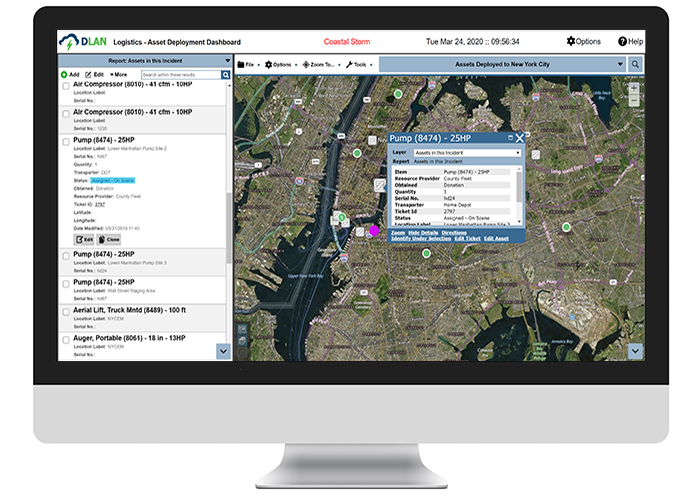
Empowering Everyone - Why Buffalo Computer Graphics Is Built for Usability Not Just the IT Experts
Jun. 2nd, 2026 7:36 am
When organizations evaluate incident management platforms, one concern comes up almost immediately:
“Will our team actually use it?”
It’s a fair question. Many systems are designed with technical administrators in mind first, filled with complicated workflows, cluttered interfaces, and processes that require extensive training just to complete basic tasks. In high-pressure situations, complexity becomes a liability.
At Buffalo Computer Graphics, we took a different approach. Our platform was built for the people doing the work in the field, in the Emergency Operations Center, and across departments every day — not just the IT team supporting the system behind the scenes. Because during an incident, usability matters just as much as capability.
Built for Real-World Users
Emergencies and operational disruptions rarely involve only one department or one type of user. You may have:
- Emergency managers
- Public works personnel
- Building inspectors
- Hospital administrators
- Security teams
- Volunteers
- Duty officers
- Executive leadership
- External stakeholders and partner agencies
Not everyone interacting with the system has a technical background and they shouldn’t need one. That’s why our platform is intentionally designed to be intuitive, streamlined, and easy to navigate. Users can quickly access the information they need, complete forms, update statuses, and communicate across teams without relying on extensive technical knowledge or constant IT support.
The result is faster adoption, smoother operations, and better coordination during critical moments.
Mobile Forms Designed for the Field
One of the biggest usability advantages is the platform’s mobile-friendly form capabilities. Field personnel often don’t have time to sit behind a desk during an incident. They need to gather information, submit updates, and communicate in real time from wherever they are.
Our system allows organizations to create highly usable mobile forms for tasks such as:
- Damage assessments after storms or flooding
- Fire inspections
- Code enforcement documentation
- Infrastructure assessments
- Insurance adjustment reporting
- Situation updates from the field
Instead of relying on paper forms, spreadsheets, text chains, or disconnected systems, personnel can complete and submit information directly through an easy-to-use interface from a phone or tablet. That information becomes immediately available to decision-makers, helping organizations respond faster and maintain situational awareness without delays.
Designed for Fast Decisions Under Pressure
Ease of use becomes even more important during high-stress situations. When an incident escalates, personnel should not have to stop and think about how to operate the platform. They should be focused on the situation itself.
Because our system is designed around operational workflows, users can quickly:
- View current incident statuses
- Update response activities
- Access dashboards
- Share critical information
- Escalate issues
- Notify stakeholders
- Coordinate across departments
The platform simplifies the process of moving information from the field to leadership, helping teams make decisions faster and with greater confidence.
Usable Across Every Skill Level
Many organizations struggle with systems that only a handful of highly trained individuals know how to operate. That creates bottlenecks, slows response times, and increases dependency on IT personnel during critical events.
Our software solutions are built differently. Whether someone is a seasoned emergency manager or a first-time volunteer, the platform is designed to guide users through tasks in a logical, approachable way.
For example:
A volunteer supporting a community event may only need access to a simple status dashboard and incident reporting form.
A public works supervisor may need to coordinate crews and infrastructure assessments.
An executive leader may only need a high-level operational dashboard to monitor overall response activity.
Each user can interact with the system in a way that makes sense for their role without being overwhelmed by unnecessary complexity.
Technology that Works with Your Organization
Another reason usability matters is adoption. Organizations often invest in platforms with impressive technical capabilities, only to discover that teams avoid using them because they are difficult to learn or cumbersome to navigate.
We focus on creating systems people actually want to use. Our team understands emergency operations because many of our professionals come directly from government and emergency management backgrounds. The platform was originally developed around real operational needs not theoretical workflows. That practical experience influences every aspect of the system design, from dashboards and workflows to mobile usability and stakeholder communication.
The goal is simple: technology that helps your organization operate more efficiently without creating additional barriers.
A Platform that Supports the Entire Organization
Usability is not a “nice to have” feature during an incident. It directly impacts response effectiveness, coordination, and decision-making. When teams can quickly access information, submit updates, and communicate clearly, organizations become more agile and resilient.
That’s why Buffalo Computer Graphics continues to focus on building solutions that support real users in real situations — from field personnel and volunteers to executives and emergency managers.
If your organization is looking for an incident management platform that’s powerful, flexible, and easy to use across every department, contact Buffalo Computer Graphics to schedule a demo and see how the system can support your operations.

