
From Chaos to Alignment: Driving Interagency Coordination During a Crisis
Nov. 18th, 2026 12:00 pm
When a major storm, wildfire, or mass gathering turns dangerous, dozens of agencies suddenly need to work as one. Interagency coordination during a crisis decides whether those teams share one picture or chase conflicting information. Without a plan and the right tools, you lose precious minutes sorting out roles, resources, and radio channels.
Responders arrive from unfamiliar agencies, staff unfamiliar venues, and step into roles they rarely fill. In this article, you will learn why coordination breaks down and how shared frameworks bring partners into alignment. You will also see how purpose-built technology and expert support turn scattered efforts into one coordinated response.
How Do You Drive Interagency Coordination During a Crisis?
You drive interagency coordination during a crisis by agreeing on a common command structure before any incident begins. Next, you connect every agency through shared technology that delivers one real-time operating picture to all partners. Finally, joint training and exercises build the trust and familiarity that keep everyone aligned under pressure.
Why Interagency Coordination During a Crisis Breaks Down
Most emergencies stretch beyond the resources of a single agency, so cooperation becomes a requirement rather than a choice. Yet every partner brings its own procedures, terminology, software, and chain of command to the scene. As a result, interagency coordination during a crisis stalls in the first critical hours of response.

Communication gaps cause much of the friction, since agencies rely on radios and systems that cannot connect. According to the Cybersecurity and Infrastructure Security Agency (CISA), its Interoperability Continuum helps agencies plan stronger emergency communications. The framework covers governance, operating procedures, technology, training, and daily usage, which shows how much coordination depends on preparation.
Meanwhile, unfamiliar faces create a second challenge, as responders hesitate when they do not know who holds authority. Similarly, unfamiliar venues slow decisions when crews lack maps, floor plans, or knowledge of local hazards.
Information overload adds to the chaos, since calls, texts, emails, and spreadsheets pile up faster than anyone can sort. Consequently, leaders end up making decisions from outdated or incomplete reports instead of a verified, shared picture. Recognizing these weak points gives you a clear starting place for building stronger partnerships before the next emergency.
Building a Shared Framework Before the Emergency Starts
Alignment during an emergency starts long before the first call comes in, when relationships and plans take shape. According to the Federal Emergency Management Agency (FEMA), its national framework guides how agencies manage incidents together. The National Incident Management System (NIMS) gives you common terms, structures, and processes every partner can follow.
-
Unified command: Agree in advance how leaders from each agency will share decisions and set joint objectives.
-
Mutual aid agreements: Spell out who sends which resources, how requests flow, and who handles reimbursement.
-
Common terminology: Replace agency codes and jargon with plain language every responder understands under pressure.
-
Contact rosters: Keep current names, roles, and backup contacts for every partner agency in one place.
Together, those agreements give interagency coordination during a crisis a foundation that holds when pressure builds. However, written plans only work when people practice them with the partners they will face in a real event.
For that reason, regular tabletop and functional exercises should include every agency that shows up during real incidents. According to FEMA, its Incident Command System (ICS) resources help responders from different agencies train on one shared structure. Additionally, our professional and support services team designs exercises and training that build familiarity across your entire partner network.
Using Shared Technology for Interagency Coordination During a Crisis
Plans and training set the stage, but technology keeps every agency working from the same facts once events unfold. An incident management system replaces scattered emails, phone trees, and spreadsheets with one common operating picture. When every partner sees the same resource status, task list, and situation report, interagency coordination during a crisis becomes faster.
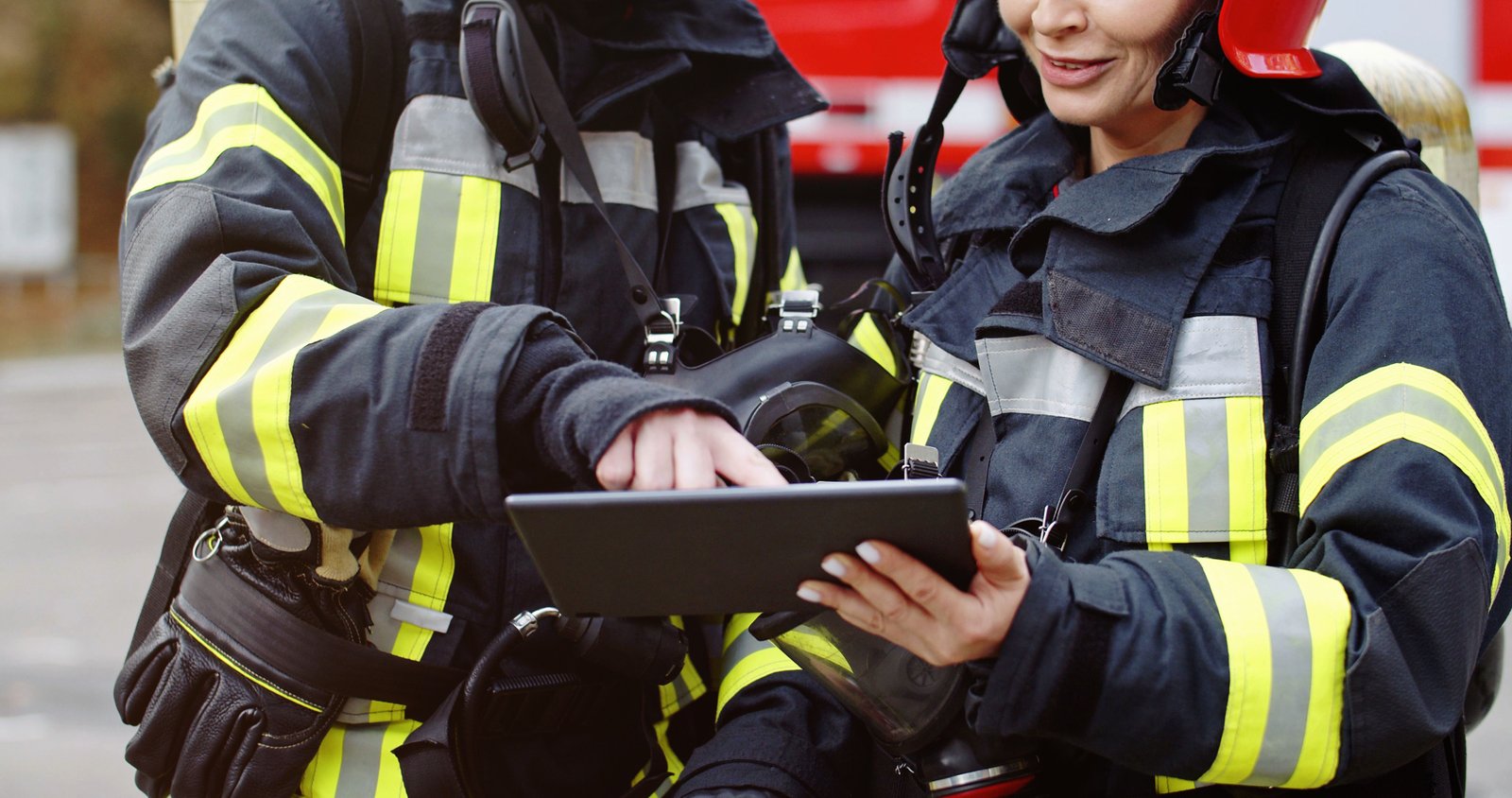
Emergency managers helped build DisasterLAN (DLAN) for their peers, so its workflows match how your operations center runs. Moreover, Buffalo Computer Graphics (BCG) engineers designed every capability in-house as one cohesive system, not separate tools. Configurable dashboards and plug-and-play toolkits help visiting agencies find their tasks quickly in an unfamiliar setting.
Consider a county operations center managing a severe winter storm alongside utilities, public works crews, schools, and volunteer groups. Instead of chasing updates by phone, each partner logs status changes that everyone sees in real time. In turn, leaders spot gaps sooner and send crews where residents need help most.
Integration matters too, since DLAN connects with geographic information system (GIS) mapping, weather feeds, and other data sources. Furthermore, our interoperability and integration services can connect custom systems your partners already depend on.
Bring Every Partner Into Alignment Before the Next Crisis
Interagency coordination during a crisis turns chaos into alignment when plans, people, and technology work together. Shared frameworks give every agency the same playbook, while joint exercises build trust before an emergency arrives. Meanwhile, a common operating picture keeps every partner focused on the same facts, tasks, and priorities.
For more than four decades, BCG has engineered mission-critical software and stood behind every system our team installs. Our team acts as a true partner, offering responsive expert support, transparent terms, and no hidden costs. Contact our team today to see how DLAN can unite every partner agency around one shared operating picture.

