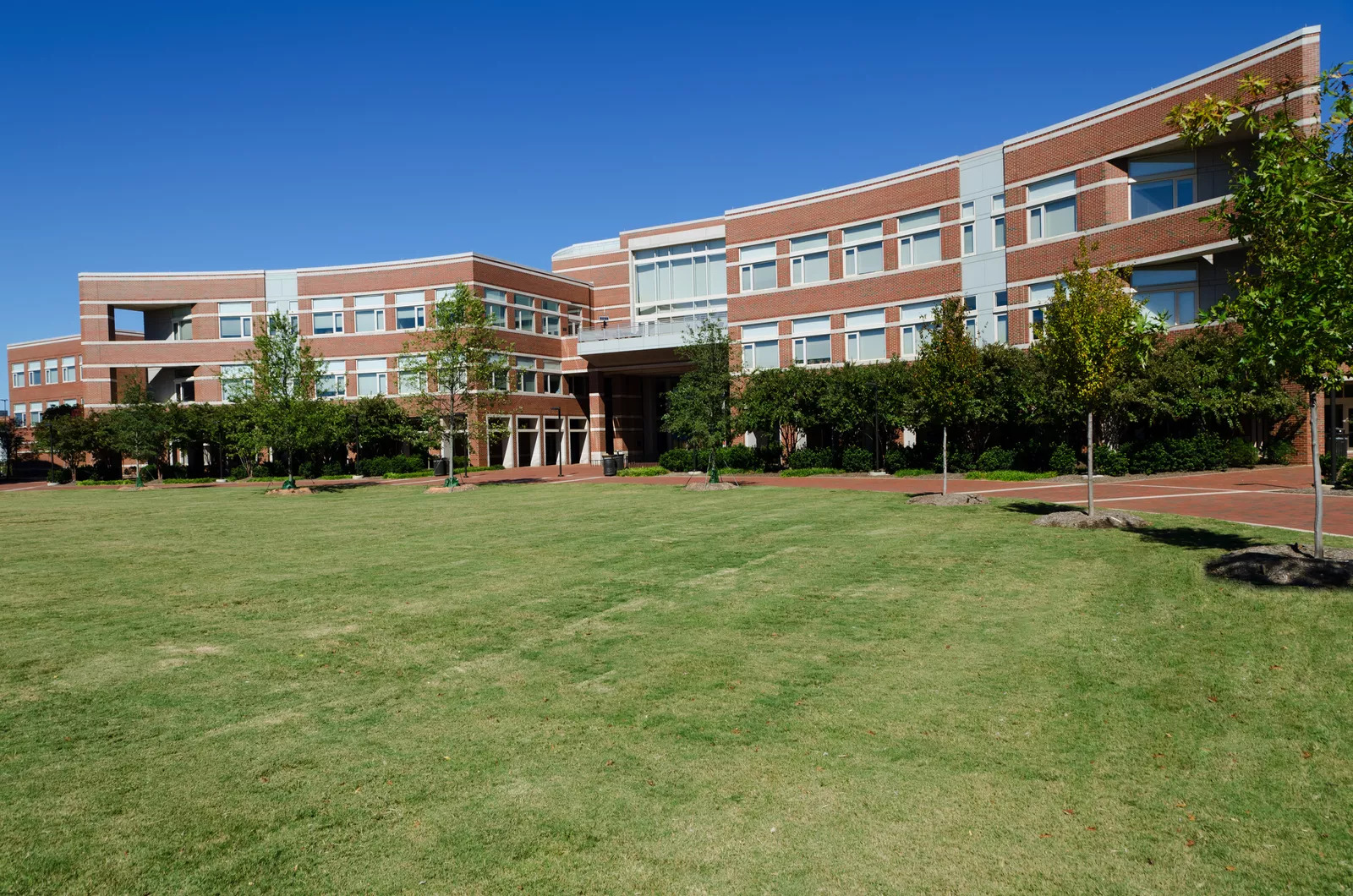
Incident Management in Higher Education
Oct. 15th, 2026 12:00 pm
?A college campus operates like a small city, with residence halls, research labs, stadiums, and thousands of daily visitors. Higher education emergency management gives your team the structure to protect every one of those people and places. When an incident strikes, strong coordination determines whether your response feels organized or chaotic.
Throughout this article, you will learn why campus incidents create unique challenges and how strong programs address them. You will also see how game day planning and modern technology keep every responding partner connected. Every section applies whether you lead campus public safety, emergency management, or event operations.
How Incident Management Supports Higher Education Emergency Management
Incident management in higher education is the process colleges use to coordinate people, resources, and information during emergencies. It covers everything from severe weather and building fires to medical emergencies and large campus events. Strong incident management helps your campus respond quickly, communicate clearly, and recover with minimal disruption to learning.
Why Campuses Face Unique Incident Management Challenges
Few organizations manage as many people, buildings, and schedules as a college or university does each day. Higher education emergency management must account for residential students, research facilities, athletic venues, and medical clinics at once. According to , campus plans should consider all settings and all times.
For example, an incident can happen during a midnight residence hall event or a crowded Saturday football game. Your population also changes by the hour, as commuters, visitors, and staff arrive and leave throughout the day. Meanwhile, decision makers sit across many departments, including housing, facilities, athletics, health services, and campus police.
As a result, incidents demand fast coordination between people who rarely work together during normal operations. Unfamiliar partners, unfamiliar roles, and unfamiliar venues quickly create confusion without a shared incident structure.
Additionally, campuses depend on outside agencies, such as city fire departments, county emergency managers, and regional hospitals. Each partner brings its own systems, terminology, and expectations to every response on your campus. Bridging those differences before an incident gives your team a major advantage during fast-moving responses.
Core Elements of a Strong Higher Education Emergency Management Program
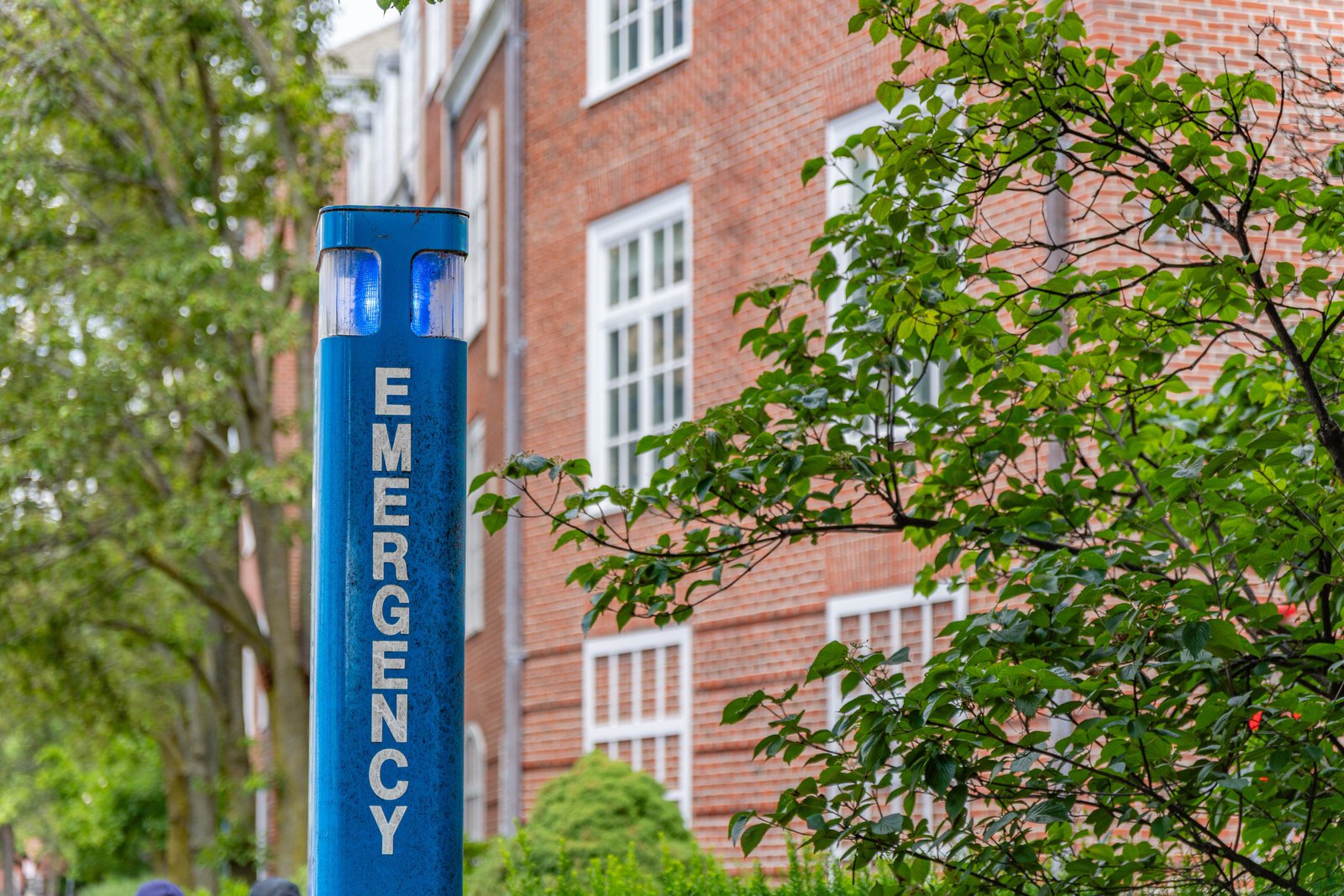
Strong campus programs share several building blocks that make responses faster, clearer, and easier to coordinate. According to the U.S. Department of Education, campus planning starts with forming a collaborative planning team. Your higher education emergency management program should include each of the following core elements.
-
Emergency operations plan: A written plan that defines roles, procedures, and annexes for every major threat and hazard.
-
Incident command structure: A clear chain of command based on the Incident Command System (ICS) that partners recognize.
-
Mass notification: Fast alerts through text, email, sirens, and digital signage that reach students, staff, and visitors.
-
Shared situational awareness: One common operating picture that every department and outside agency can access in real time.
In practice, the elements only work when every department understands its role before an incident begins. According to the Federal Emergency Management Agency (FEMA), ICS gives responders a standard approach to command and coordination. Consequently, campus police and city firefighters can work side by side without debating who leads.
Technology ties every element together when incidents unfold across multiple buildings and departments. With DLAN's incident management capabilities, your team tracks tasks, resources, and updates from one secure platform.
Training keeps those systems useful, since staff turnover on campus brings new faces into key roles every year. Buffalo Computer Graphics (BCG) offers role-based training that prepares each person for their responsibilities during an activation. Similarly, regular exercises help departments practice working together long before a real incident tests them.
Coordinating Game Day and Large Campus Events
Large events bring tens of thousands of people onto campus, turning a normal Saturday into a complex operation. Football games, commencement ceremonies, concerts, and move-in weekends all demand careful higher education emergency management planning. Each event pulls together campus police, city fire crews, county emergency staff, medical teams, and private security.

However, many of those partners only work together a few times each season. Without shared tools, small issues like a lost child or a medical call can stall while teams search for information.
BCG's game day and event management solutions give every partner one view of incidents, resources, and assignments. For instance, a medical team can log a call while police see its location on a shared map. Our interoperability and integration services also connect DLAN with the dispatch and weather systems your partners already use.
Consider a university stadium where lightning forces officials to pause a game and shelter fans in place. Because every partner shares one operating picture, the team coordinates announcements, gates, and medical staff within minutes. Afterward, detailed records support a clear after-action review that strengthens planning for the next home game.
Ultimately, every event becomes a chance to practice the same incident structure you rely on during emergencies. Teams that coordinate well on game day respond with more confidence when an unplanned crisis arrives.
Build a Safer Campus With a Higher Education Emergency Management Partner
Strong higher education emergency management protects students, staff, and visitors across every building, event, and season. Still, plans only deliver results when every department and partner can see the same information during an incident. The right technology and training turn a complex campus into a coordinated, confident response team.
At BCG, our Buffalo engineering team builds and supports DLAN in-house, with emergency managers shaping every feature. You gain a responsive partner, transparent terms with no hidden costs, and support that grows with your campus. Get in touch with our team to see how DLAN can support your next game day and beyond.

