What Is an Incident Management System?
Sep. 16th, 2026 12:00 pm
Emergencies rarely wait for anyone to get organized. A hurricane makes landfall, a campus stadium loses power mid-event, or a substation fails during a heat wave. In each case, dozens of people need the same picture of what is happening, and they need it fast. An incident management system is the software that makes that possible. It gives responders, coordinators, and decision-makers one shared place to log events, assign tasks, request resources, and track outcomes from the first report through recovery.
The term gets used loosely, so it helps to be specific. This guide breaks down what these systems do, what capabilities matter, and who relies on them every day.
What an Incident Management System Actually Does
At its simplest, an incident management system replaces the whiteboards, spreadsheets, group texts, and radio logs that agencies used for decades. Those tools still work in small events. They break down quickly once an incident grows.
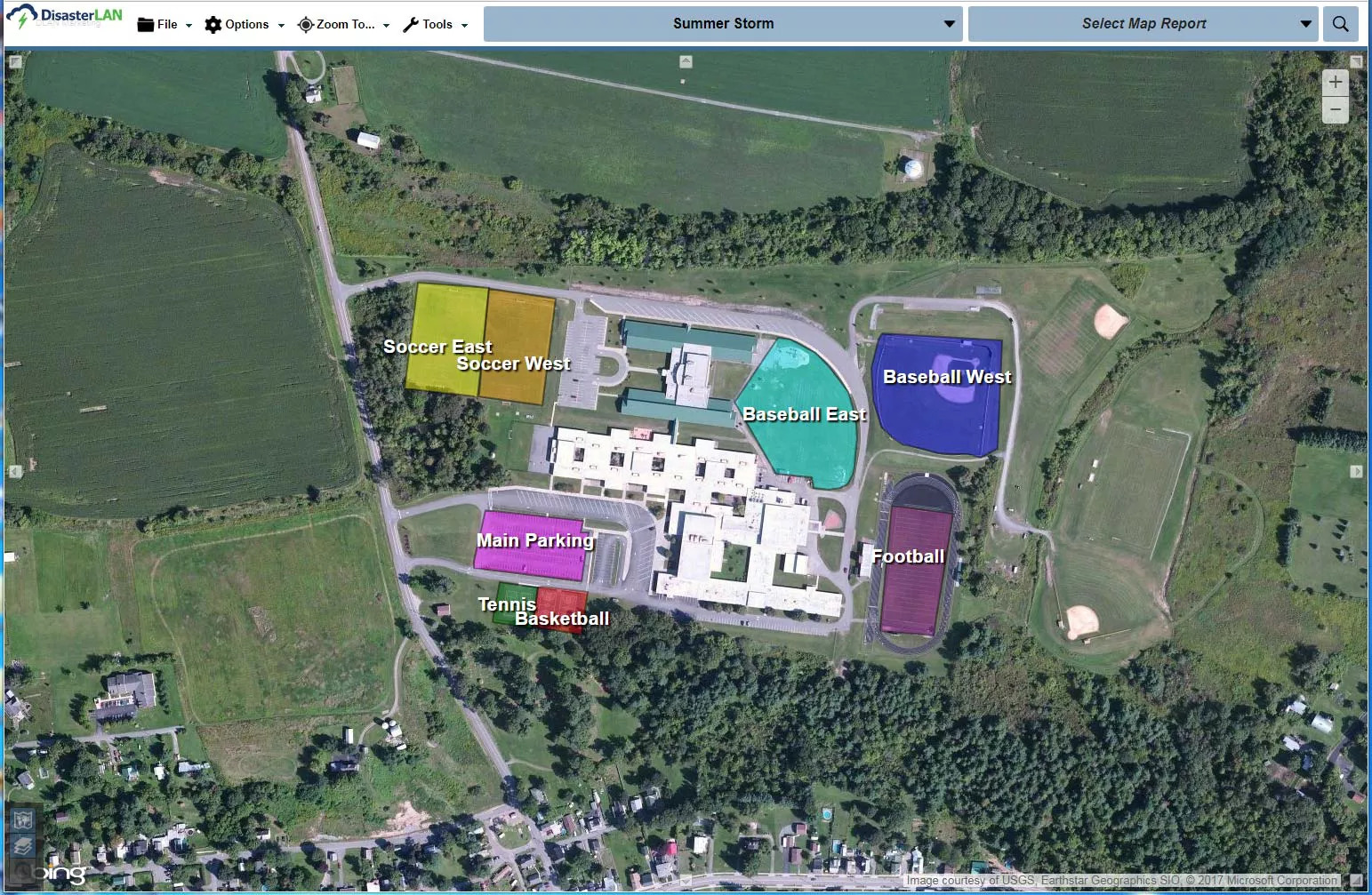
The software creates a single operating picture. Every entry made in the field appears to the people running the operation. Every decision made in the Emergency Operations Center flows back out to the field.
Most platforms are built around the Incident Command System structure. That means the software supports familiar workflows like incident action planning, resource requests, situation reports, and after action reporting. Personnel who trained on ICS should recognize the logic immediately.
A good system also creates a defensible record. Timestamps, task assignments, and approvals are captured automatically. That record matters later during reimbursement reviews, audits, and lessons learned sessions.
Response is only part of the story. Strong platforms support the full cycle, which includes preparedness planning, mitigation tracking, day-to-day duty officer logs, and recovery documentation. Many teams use an emergency and operations management platform far more often for routine work than for major disasters.
Incident Management System Core Capabilities to Look For
Not every system offers the same depth. When you evaluate options, look past the demo dashboard and ask about the fundamentals.
Here are the capabilities that consistently matter most in real operations:
-
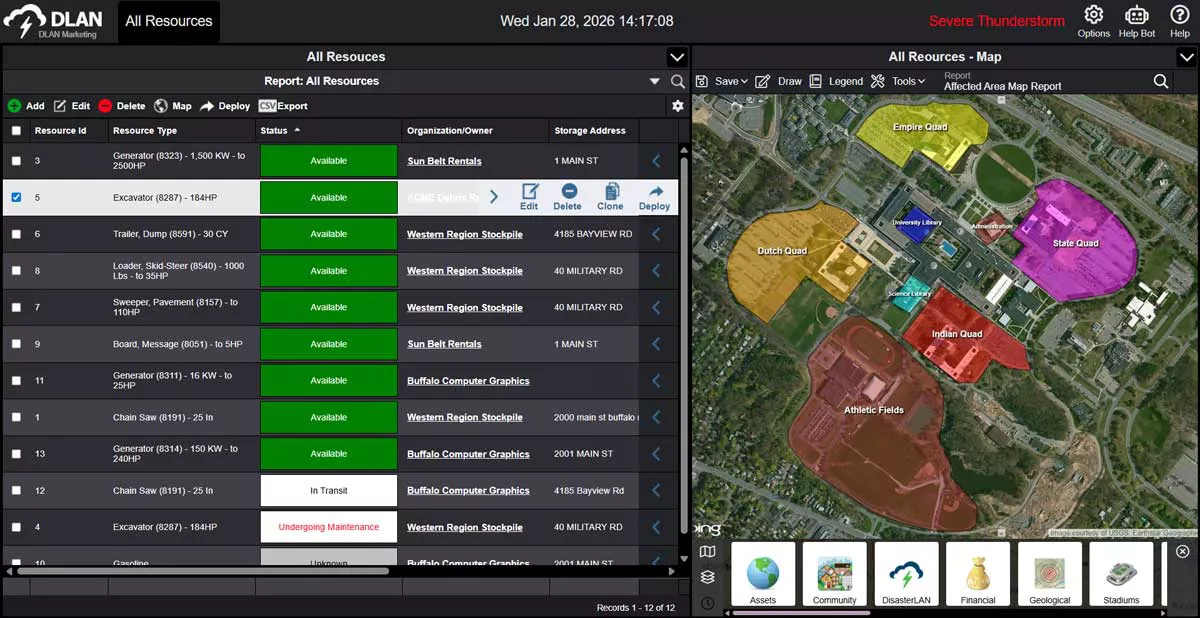
Situational awareness and mapping. GIS layers, live incident plotting, and weather feeds turn scattered reports into a picture people can act on.
-
Task and resource management. Assign work, track status, and see what is available before you request mutual aid.
-
Damage and needs assessments. Field teams collect structured data on mobile devices, and totals roll up automatically.
-
Information sharing and role-based access. Partner agencies see what they need to see, and nothing more.
-
Executive dashboards. Elected officials and senior leaders get a clean summary without interrupting the operations floor.
-
Offline and low bandwidth performance. Connectivity fails during the exact events you bought the system for.
One more factor deserves attention. Look at how the full range of platform capabilities fit together. Systems assembled from acquired products often feel stitched together, and that friction shows up under pressure.
Why Interoperability Separates Good Systems From Great Ones
Here is the challenge that defines modern response work. Unfamiliar agencies, unfamiliar personnel, unfamiliar venues, and unfamiliar roles all converge within hours. A county coordinator may be working alongside a utility crew, a state liaison, and a campus safety director for the first time ever.
Software cannot fix every part of that problem. It can remove a huge amount of friction.
Interoperability starts with data. Your system should exchange information with CAD, alerting and notification tools, IPAWS, weather services, and partner platforms. Open APIs make that possible without custom rebuilds every time a partner changes vendors.
Interoperability also means people. If a system takes three days of training to use, mutual aid partners will not use it during an activation. Usability is an interoperability feature, not a nice extra.
Think about the range of organizations that end up sharing an incident. Emergency management agencies coordinate with utilities restoring power. Campus teams running game day and event operations coordinate with local police and fire. Military installations coordinate with surrounding jurisdictions. Each group arrives with different systems and different vocabulary.
The right platform lowers the barrier between them. The wrong one adds another wall.
What a Purpose-Built System Looks Like in Practice
This is where origin matters. Buffalo Computer Graphics developed the DLAN Incident Management System in cooperation with Emergency Managers in Erie County, New York. It remains the only IMS built by Emergency Managers for Emergency Managers from the ground up.
That history shaped the design. Planning, assessments, duty officer workflows, information sharing, executive oversight, and training were built as one cohesive system. Our in-house engineering team wrote every piece of it, with no third-party development. The same team supports your system for as long as you use it.
Software alone rarely solves the problem, though. Our professional and support services cover the work around the platform, including:
-
ICS-trained, FEMA-certified personnel who staff your EOC during activations
-
Risk assessments and interoperability or integration services
-
GIS and API solutions that connect your existing tools
-
Exercise and training services built around your real scenarios
-
Emergency management plan design and development
That combination is what turns a purchase into a working capability. You get a system, and you get people who have stood in an EOC at three in the morning.
See How It Works With Your Own Scenarios
You know your jurisdiction better than any vendor does. You know which agencies show up, which venues create headaches, and which gaps keep you up at night. The best way to evaluate any incident management system is to walk it through those specifics with someone who understands them.
We are happy to do exactly that. Bring your toughest coordination problem, and we will show you how the platform handles it. No script, no pressure, just an honest look at whether we are the right fit for your team.
Request a demo and see how a purpose-built system performs against your real-world scenarios.

