What Is Interoperability in Emergency Management?
Nov. 4th, 2026 12:00 pm
When fire, police, public works, and hospitals respond together, every second depends on how well they share information. Interoperability in emergency management gives those partners the ability to communicate and exchange data across agencies and systems. Without it, responders work from different pictures, and small delays grow into dangerous gaps.
In this article, you will learn what interoperability means, why it breaks down, and which building blocks support it. You will also see how integrated technology helps unfamiliar agencies work as one team during fast-moving incidents. Every insight applies whether you coordinate a county response, a campus event, a utility outage, or a regional disaster.
What Is Interoperability in Emergency Management?
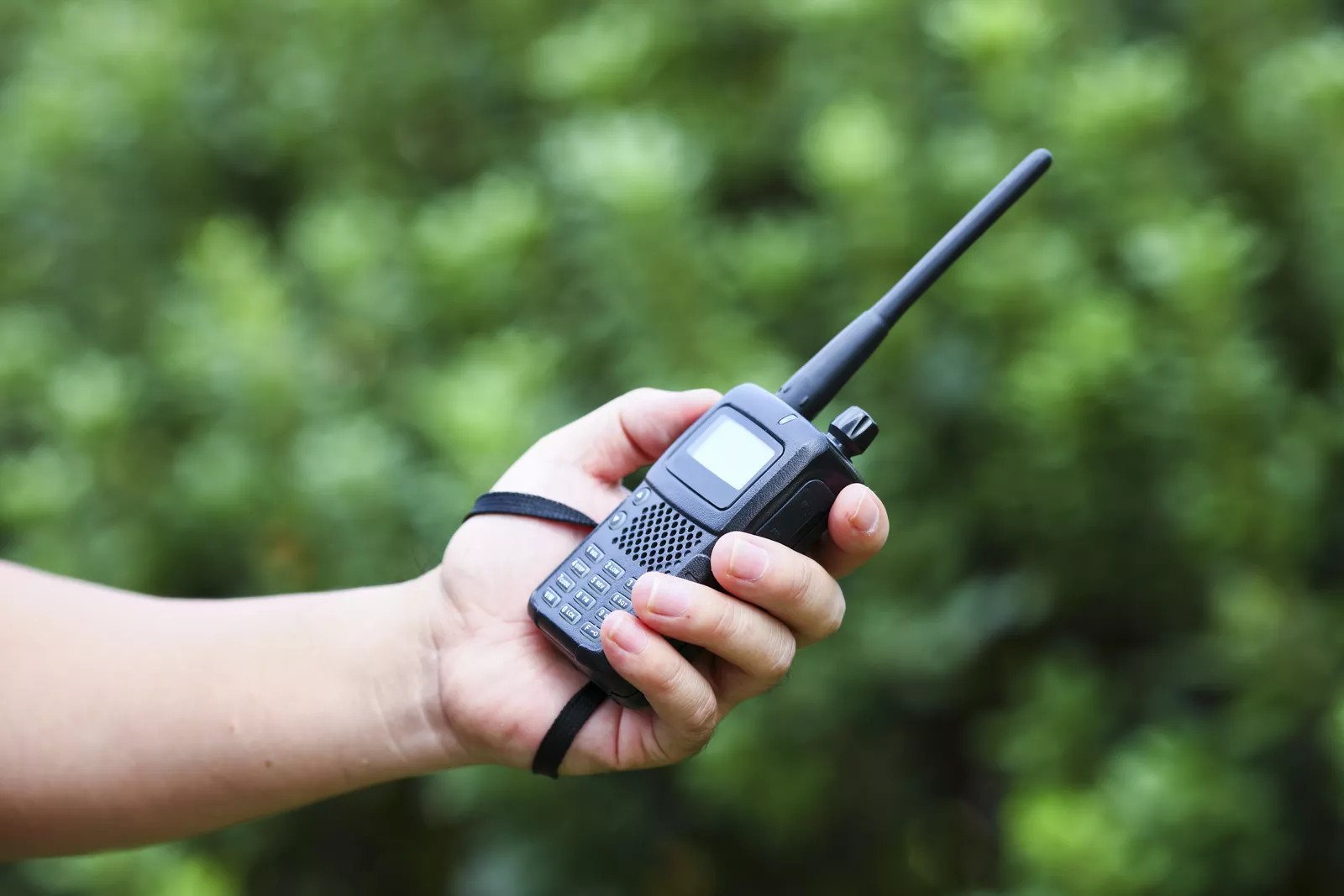
Interoperability in emergency management is the ability of different agencies, jurisdictions, and systems to communicate and share information during incidents. It covers voice radios, data platforms, alerting tools, and the procedures that tell partners how to use them together. Strong interoperability lets every responding organization see the same picture and act on accurate, timely information.
Why Interoperability in Emergency Management Breaks Down
Each agency builds its systems around its own mission, without always planning how they connect with partners. As a result, interoperability in emergency management suffers when a large incident suddenly brings those systems together. According to the Cybersecurity and Infrastructure Security Agency (CISA), its SAFECOM program improves communications across jurisdictions and disciplines.
First, radio systems may operate on different frequencies or technologies that cannot talk to one another directly. Second, data platforms for dispatch, weather, and mapping store information in formats other systems cannot read. Third, agencies use different terms, forms, and procedures, so partners misread even shared information.
People matter as much as technology, since many responders meet their partners for the first time on scene. Unfamiliar roles and venues add confusion when nobody knows who holds which information or authority.
Additionally, security concerns can slow sharing when agencies hesitate to connect systems that hold sensitive data. Budget cycles and aging equipment also leave neighboring jurisdictions on different technology timelines. Consequently, gaps appear exactly when your community needs every partner working from the same plan.
Five Building Blocks of Interoperable Response
Interoperability takes more than buying new radios or software, because people and processes matter as much as equipment. According to CISA's Interoperability Continuum, five critical elements shape interoperability in emergency management across every level of government. Review your program against each of the following building blocks to find gaps.
-
Governance: Shared decision-making structures and agreements that guide how partners plan and manage joint systems.
-
Standard operating procedures: Written guidelines that tell responders how and when to use interoperable tools during incidents.
-
Technology: Radios, gateways, and data platforms that connect systems across agencies, frequencies, and formats.
-
Training and exercises: Regular practice that builds familiarity with shared tools and partner roles before real emergencies.
-
Usage: Daily use of interoperable systems so responders treat them as routine, not emergency-only, tools.
In practice, the elements depend on one another, so strong technology fails without governance and procedures behind it. Likewise, written procedures fade quickly when partner teams never practice them together during exercises. Daily usage ties everything together by turning shared tools into everyday habits for responders.
Strong governance starts with written agreements that define who owns systems, data, and decisions. Mutual aid agreements and shared operating procedures give partners a clear starting point before incidents begin.
Meanwhile, regular exercises reveal which connections work and which still need attention from your team. Buffalo Computer Graphics (BCG) offers role-based training that prepares staff to use shared systems with confidence. In turn, partners spend less time troubleshooting during incidents and more time coordinating response.
Strengthening Interoperability in Emergency Management With Technology
The right technology connects existing systems instead of forcing every partner to replace the tools they already know. Integration platforms support interoperability in emergency management by linking dispatch, weather, mapping, and alerting data in one place. According to the Federal Emergency Management Agency (FEMA), communications and information management forms a core component of national incident management.
BCG's interoperability and integration services connect DLAN with 911, weather feeds, geographic information system (GIS) data, and partner platforms. Application programming interfaces (APIs) let those systems exchange information automatically, so nobody retypes updates during a crisis.
Next, give every partner access to one common operating picture, whether they sit in your center or across the region. DLAN's web-based capabilities let authorized users from any agency view incidents, resources, and tasks in real time. Similarly, plug-and-play toolkits add specialized functions without disrupting the workflows partners already use.

Imagine a regional flood where county, city, and utility teams each track road closures in separate systems. Because an integration feeds every closure into one shared map, crews stop sending vehicles down flooded routes. Afterward, leaders review a single timeline instead of piecing together reports from three different platforms.
Finally, protect every connection with strong security, since shared systems hold sensitive information about people and infrastructure. Role-based permissions and secure hosting let partners share what matters without exposing what should stay private.
Connect Every Partner Before the Next Incident
Interoperability in emergency management turns separate agencies into one coordinated team when your community needs them most. Still, real progress requires governance, procedures, technology, training, and daily use working together over time. The right partner helps you connect existing systems instead of starting over from scratch.
At BCG, our Buffalo engineers build every DLAN integration in-house, with no third-party development standing between you and support. You gain responsive experts, transparent terms with no hidden costs, and a partner focused on connecting your community. Get in touch with our integration team to map out the connections your partners need most.

