
What Is a Mutual Aid Agreement in Emergency Management?
Oct. 13th, 2026 12:00 pm
When a disaster outgrows your local resources, you need help from neighboring agencies within hours, not days. A mutual aid agreement makes that help possible by setting the rules for sharing people, equipment, and supplies. Without one in place, you lose valuable time negotiating terms while the incident keeps growing.
Below, you will discover how a mutual aid agreement works, which types exist, and what each should include. You will also see how emergency managers keep partner agencies coordinated once outside resources start arriving. Every insight applies whether you work in county emergency management, campus safety, utilities, or government operations.
What Is a Mutual Aid Agreement?
A mutual aid agreement is a written arrangement that lets jurisdictions and organizations share resources during emergencies and disasters. Each agreement defines how you request help, who pays for it, and who carries liability for deployed personnel. Signing agreements before an incident lets your agency move outside resources quickly instead of negotiating terms mid-crisis.
How a Mutual Aid Agreement Works Before and During an Incident
A mutual aid agreement does most of its work long before anyone requests a single fire engine. According to mutual aid guidance from the Federal Emergency Management Agency (FEMA), agreements cover personnel, equipment, and supplies. Once signed, the terms stay ready so you can activate support the moment local capacity runs short.
During an incident, your emergency operations center (EOC) identifies a resource gap and submits a formal request. Next, the assisting agency confirms availability and deploys the requested team under the terms both parties signed. Upon arrival, deployed crews check in, receive assignments, and work within your existing incident command structure.
Tracking every arriving resource quickly becomes difficult when requests live in emails, phone logs, and paper forms. With DLAN's incident management tools, you see every request, deployment, and status update in one place.
Finally, the agreement guides demobilization so borrowed crews and equipment return home safely and on schedule. Reimbursement follows, with the requesting agency documenting costs according to the terms everyone accepted upfront. Clean records at every stage protect your agency during audits and strengthen trust for future requests.
Common Types of Resource Sharing Across Jurisdictions
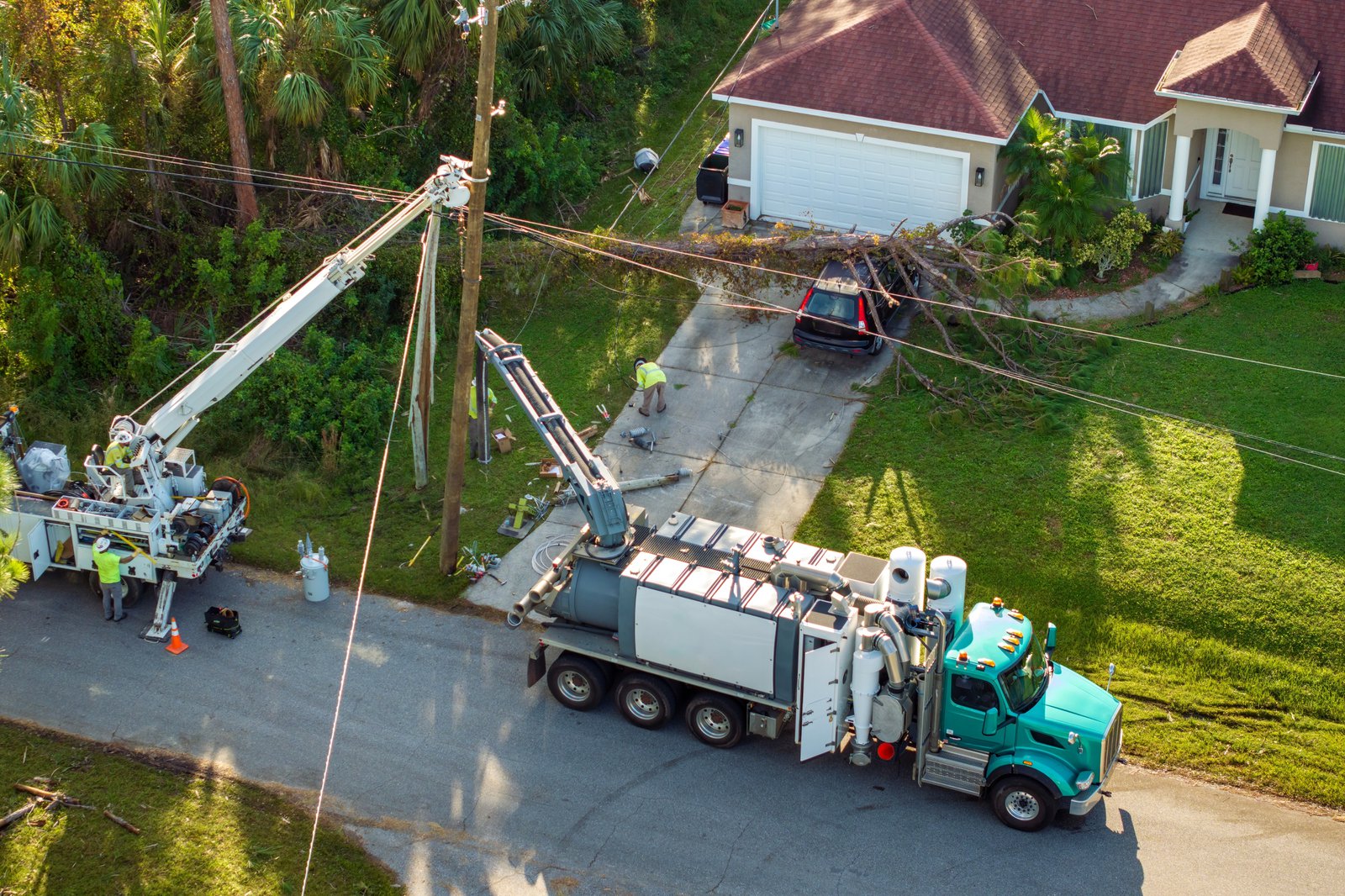
Mutual aid takes several forms, and each one fits a different scale of incident and partnership. Choosing the right mutual aid agreement depends on how far help travels and who provides it. Your program will rely on a combination of the following arrangements during larger incidents.
-
Local mutual aid: Nearby jurisdictions send resources on request once an incident exceeds what one agency can handle.
-
Intrastate mutual aid: Statewide systems coordinate sharing among jurisdictions through the state emergency management agency and local partners.
-
Interstate mutual aid: The Emergency Management Assistance Compact (EMAC) lets member states share personnel and equipment across state lines.
-
Utility and private sector agreements: Utilities and businesses pledge crews, equipment, or facilities after major storms.
In practice, larger incidents activate several layers, moving from local aid to statewide and interstate support. According to EMAC's official site, the compact also honors credentials, licenses, and certifications across state lines. As a result, a nurse or engineer deployed from another state can start working without delay.
Utility partnerships deserve special attention, since power and water restoration shapes every other part of recovery. For example, line crews from neighboring utilities arrive after severe storms to rebuild damaged distribution networks. Energy and utility teams gain the most when those crews share one view of outages and assignments.
Meanwhile, government and campus partners join agreements to support shelters, traffic control, and large public events. Every added partner expands your capacity, yet each one also adds coordination work for your team.
Key Elements Every Mutual Aid Agreement Should Include
Strong agreements answer difficult questions before an emergency forces your team to answer them under pressure. At minimum, every mutual aid agreement should define requesting procedures, liability protections, and reimbursement terms. Clear language on each point prevents disputes that slow deployments and strain relationships between partner agencies.
Beyond the basics, you should address workers' compensation, credentialing, and how long deployed resources stay. According to FEMA's resource management guidance, National Incident Management System (NIMS) resource typing creates a common capability language. Additionally, include a termination clause and a regular review schedule so terms stay current with your operations.
Agreements also need operational plans that explain how your systems and partner systems exchange information. Buffalo Computer Graphics (BCG) provides interoperability and integration services that connect DLAN with platforms your partners already use.
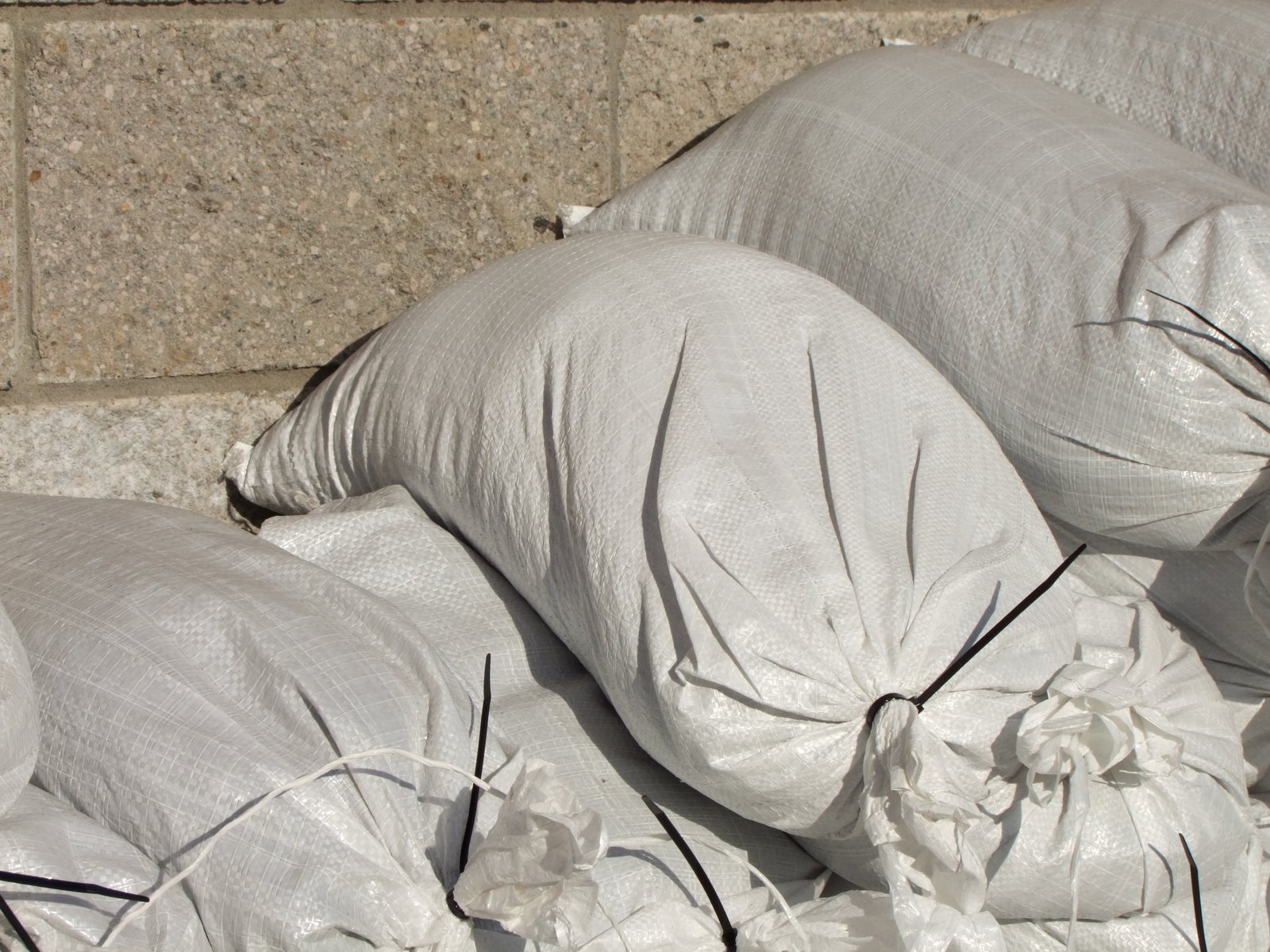
Picture a county facing spring flooding that requests sandbagging crews and water rescue teams from three neighbors. Because its agreements spell out liability and reimbursement in advance, every team deploys within hours of the request. Later, organized deployment records make the reimbursement process faster and less stressful for everyone involved.
Writing these terms from scratch takes time, and hidden gaps surface during real activations. Our emergency management plan development services help you build plans and annexes that put agreements into action.
Keep Every Response Partner Connected With DLAN
A well-written mutual aid agreement turns neighboring agencies into a dependable extension of your own response team. Still, the agreement only delivers value when every partner can see requests, assignments, and updates in real time. Pairing strong terms with the right technology keeps borrowed resources working where your incident needs them most.
At BCG, our Buffalo engineering team builds and supports DLAN entirely in-house, with no third-party development involved. You get responsive expert support, transparent terms with no hidden costs, and a partner invested in your readiness. Contact our team today to see how DLAN keeps your mutual aid partners coordinated during every activation.

