
What Is the National Incident Management System?
Oct. 8th, 2026 12:00 pm
The National Incident Management System is a framework that guides how agencies prepare for, respond to, and recover from incidents. The Federal Emergency Management Agency (FEMA) maintains NIMS, which gives every level of government a shared vocabulary and structure. You also gain a common approach that connects nonprofits, private companies, and responders across jurisdictions during any type of emergency.
How the National Incident Management System Took Shape
Large disasters in the early 2000s showed how quickly response falls apart when agencies use different terms and structures. In response, the Department of Homeland Security (DHS) released the first version of NIMS in 2004. According to the 2017 NIMS doctrine, FEMA revised the framework in 2008 and again in 2017.
The 2017 refresh extended the national incident management system beyond the incident scene to emergency operations centers and leadership. As a result, you now have guidance for command staff, policy groups, and supporting organizations alike.
NIMS applies to every type of incident, regardless of cause, size, location, or complexity. For example, a water main break and a multistate hurricane both follow the same organizational principles. Scalability lets you expand or shrink your structure as the situation changes throughout the response.
Adoption also carries practical weight, since NIMS alignment is a condition for many federal preparedness grants. Consequently, agencies document training, plans, and exercises to show they meet NIMS expectations year after year. Keeping those records organized in one system saves your team hours when reporting deadlines arrive.
Three Core Components Behind Every NIMS Response
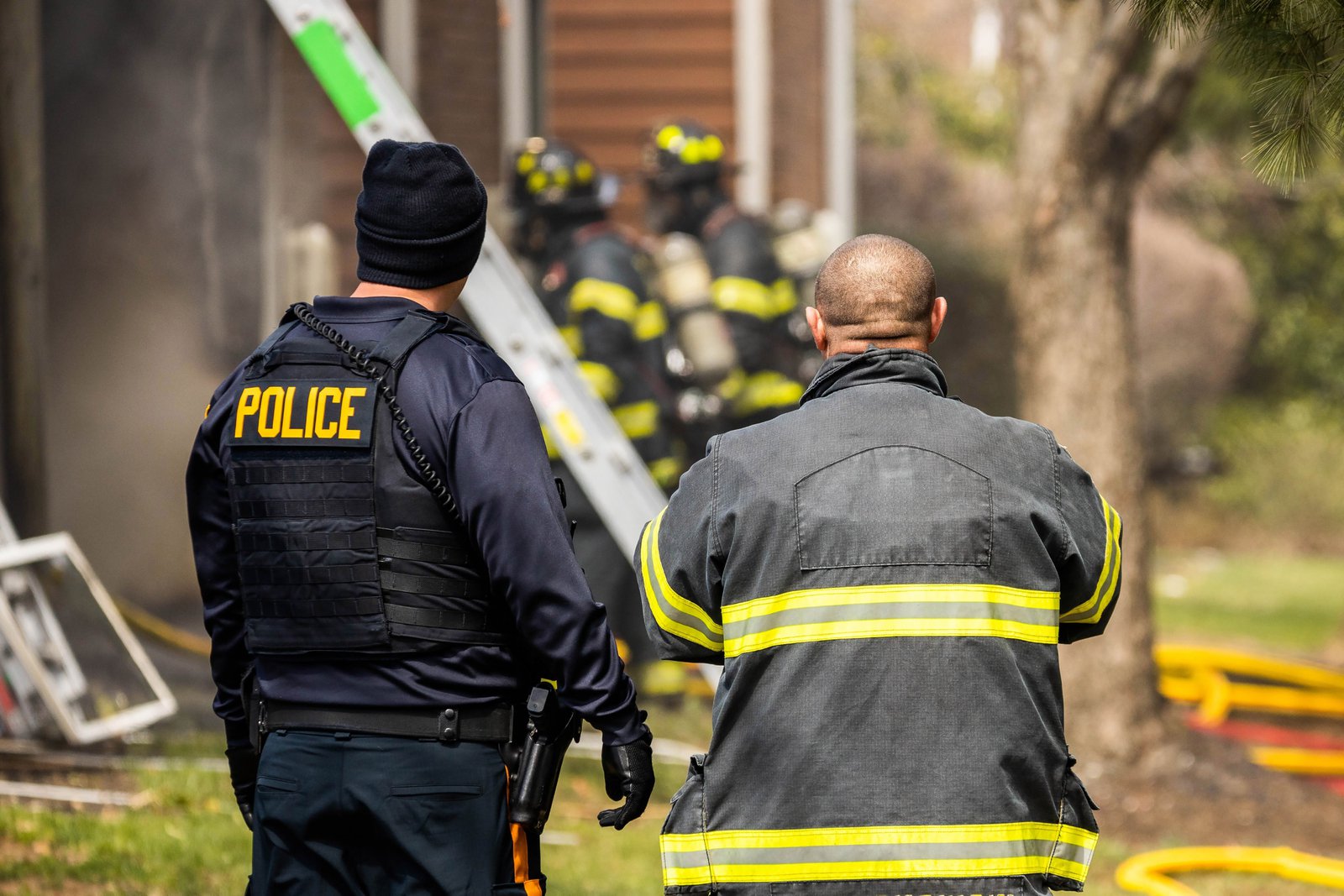
According to FEMA's NIMS guidance, the national incident management system rests on three components that work together. Each component answers a different question about how you manage people, equipment, and information under pressure. Together, they give your agency a repeatable structure that partners recognize the moment they arrive on scene.
-
Resource Management: Standard methods to identify, mobilize, track, and demobilize personnel, teams, equipment, and supplies across jurisdictions.
-
Command and Coordination: Structures such as the Incident Command System (ICS) and emergency operations centers (EOCs) that define leadership roles.
-
Communications and Information Management: Practices that keep data, alerts, and situational awareness flowing reliably between every responding organization.
In practice, the three components overlap constantly, so a weakness in one quickly strains the other two. For instance, poor information sharing leads to duplicate resource requests and confused command decisions. Strong agencies treat all three as one connected system rather than separate checklists to complete.
ICS sits at the center of Command and Coordination and shapes how your incident team organizes on day one. Buffalo Computer Graphics (BCG) offers role-based ICS training so your staff step into assignments with confidence.
Meanwhile, resource management depends on clear typing so every requested team matches the capability you need. NIMS resource typing defines standard categories, so a requested strike team means the same thing everywhere. Similarly, shared communication standards keep your public messaging accurate when several agencies speak at once.
Why the National Incident Management System Matters When Agencies Converge
Emergencies force you to coordinate with agencies, personnel, and venues you have never worked with before. Without a shared framework, every new partner brings different titles, forms, and expectations into the room. The national incident management system removes that friction by giving everyone the same roles and language from the start.

Consider a university hosting a sold-out football game when severe weather moves toward the stadium. Campus police, city fire crews, county emergency staff, and event security all need to act together within minutes. Thanks to NIMS, each group already understands who leads, who reports to whom, and how requests flow.
However, a framework on paper only works when your tools support it in real time. Disconnected spreadsheets, radios, and email threads make it hard to see the full picture during fast-moving incidents.
BCG developed DLAN alongside New York emergency managers, so the platform supports NIMS-aligned workflows from planning through recovery. Additionally, interoperability and integration services connect DLAN with 911, weather, and geographic information system (GIS) data your partners already use. In turn, every agency in your operations center works from one common operating picture instead of scattered updates.
When an activation stretches your staff thin, BCG's ICS-trained, FEMA-certified personnel join your team onsite. Their just-in-time training and surge support help you keep NIMS structures intact through the longest operational periods.
Put NIMS Principles Into Action With a Trusted Partner
The national incident management system gives you a proven foundation for coordinating any incident, whether it lasts hours or weeks. Still, real readiness comes from pairing those principles with trained people and tools built for emergency managers. When your framework, staff, and software align, every partner who arrives knows exactly where to plug in.
At BCG, we see ourselves as your long-term partner rather than another software vendor. Our in-house team builds, supports, and improves DLAN with responsive expert help and no hidden costs along the way. Reach out to our team to explore how DLAN can strengthen your agency's NIMS readiness.

