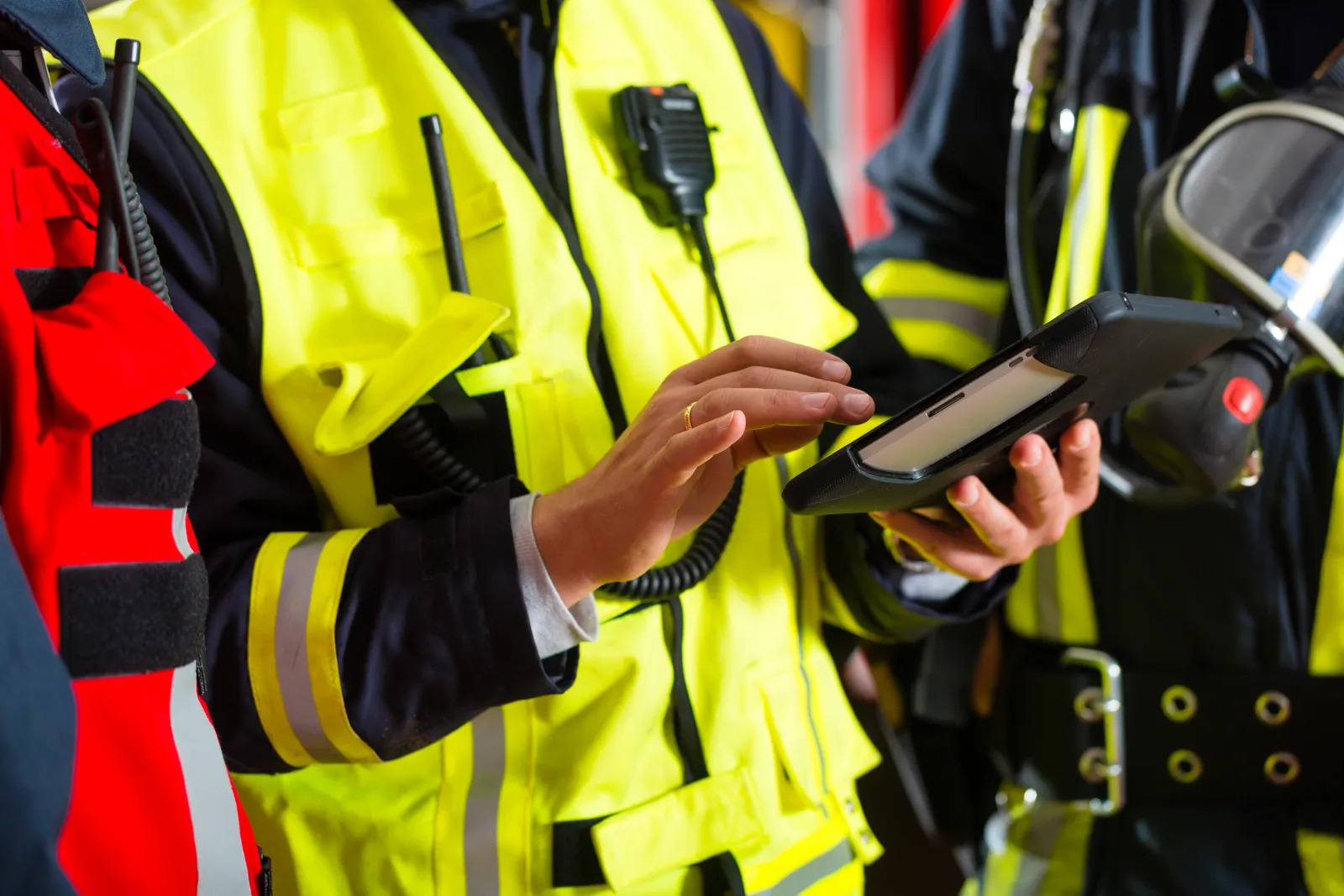
How Real Time Data Sharing Emergency Response Accelerates Crisis Decisions
Nov. 19th, 2026 12:00 pm
During a fast-moving emergency, the facts on the ground can change several times before your next briefing begins. Real-time data sharing in emergency response keeps every partner working from current information instead of yesterday's reports. When leaders see what is happening now, they make faster calls that protect lives, property, and responders.
Many agencies still pass updates through phone calls, emails, and spreadsheets that fall behind within minutes. In this article, you will learn why delays hurt decisions and what real-time sharing looks like in practice. You will also see how an integrated platform turns shared data into confident, timely action across agencies.
How Does Real-Time Data Sharing in Emergency Response Accelerate Decisions?
Real-time data sharing in emergency response gives every agency the same live view of incidents, resources, and hazards. Leaders skip the wait for verbal updates and act on current, verified information as conditions change. As a result, agencies close resource gaps sooner, avoid duplicated effort, and protect people more quickly.
Why Delayed Information Slows Crisis Decisions
Every crisis decision depends on information, and that information starts aging the moment someone writes it down. When a report finally travels from the field to the operations center, conditions may already look different. Consequently, leaders send crews to the wrong places, order resources twice, or miss a growing threat entirely.
According to the Federal Emergency Management Agency (FEMA), its Community Lifelines approach helps emergency managers quickly assess disrupted critical services. However, that assessment only stays useful when the status updates behind it arrive fast and stay current.
Meanwhile, the volume of incoming information keeps growing as callers, sensors, and cameras send more data than ever. According to the National 911 Program, next generation 911 lets the public send texts, images, and video to call centers. Without a way to share that information instantly, valuable details stay trapped inside a single dispatch console.
Real-time data sharing in emergency response solves the problem by moving updates the instant someone enters them. Instead of waiting for the next briefing, your team sees changes as they happen and adjusts immediately. In turn, every decision rests on the freshest information available rather than a snapshot from hours earlier.
What Real-Time Data Sharing in Emergency Response Looks Like
Real-time sharing means more than giving partners a login, since the right data must reach the right people fast. Strong systems pull information from several sources automatically and display it in one place every partner can trust. In practice, real-time data sharing in emergency response draws on several core data streams like the ones below.
-
Dispatch data: Call details, locations, and unit status flow from 911 centers to operations staff without retyping.
-
Weather feeds: Watches, warnings, and forecasts update automatically, so planners see threats as forecasters issue them.
-
Resource status: Teams track personnel, equipment, and shelter capacity, so leaders know exactly what remains available.
-
Field reports: Crews submit photos, damage notes, and task updates from mobile devices directly into the shared picture.
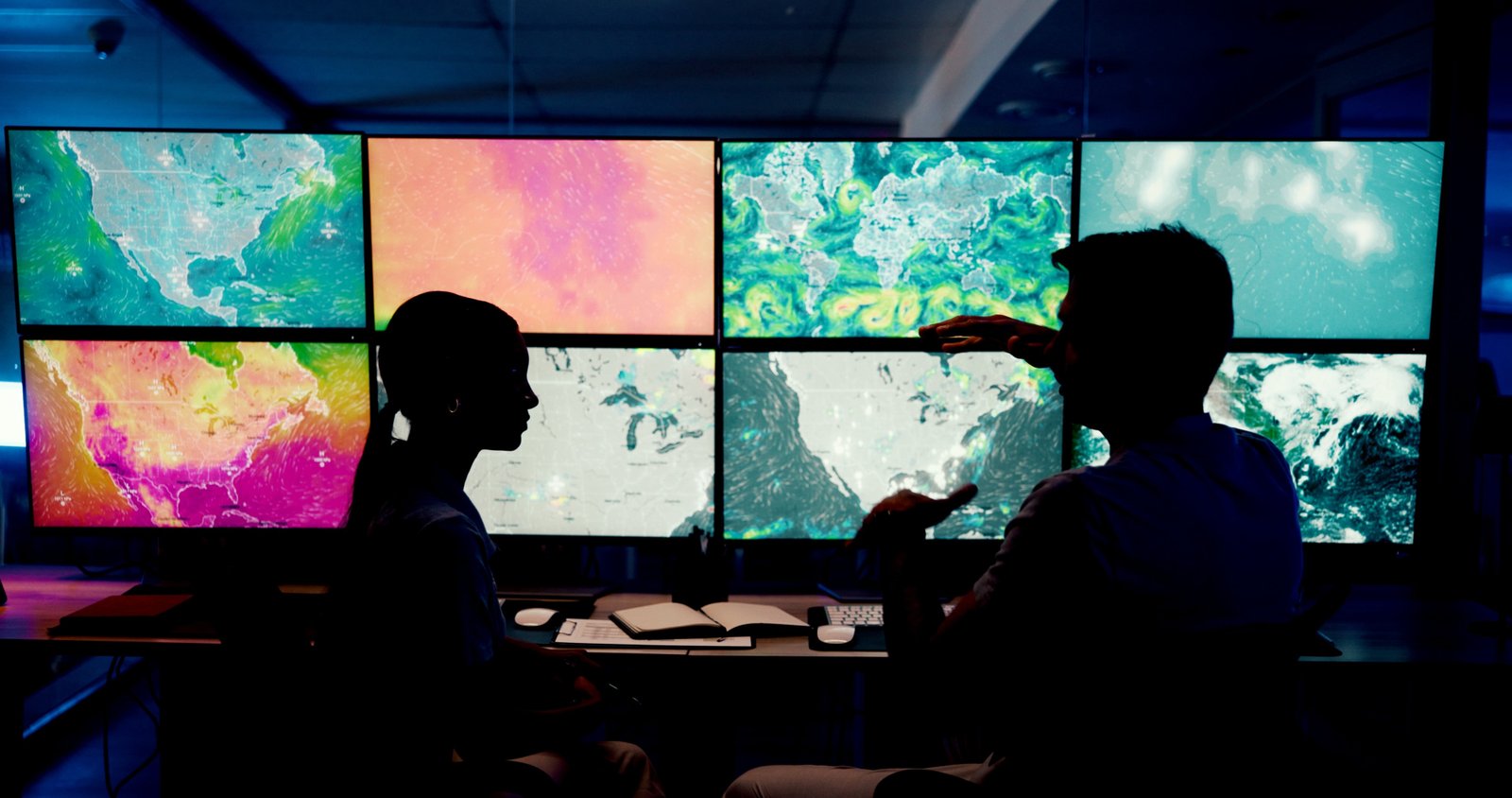
According to the National Weather Service (NWS), its public data service gives developers access to forecasts, alerts, and observations. As a result, connected platforms can display official weather alerts beside incident data without anyone copying them manually.
Mapping ties the streams together, because a location on a map tells the team more than a column in a spreadsheet. Likewise, geographic information system (GIS) layers show road closures, flood zones, and critical facilities beside every active incident. Together, those layers help leaders spot patterns, such as a cluster of calls near a failing levee.
Turning Shared Data Into Faster Decisions With DLAN
Shared data only speeds decisions when your platform organizes it around the way your operations center already works. Emergency managers helped design DisasterLAN (DLAN), so its workflows follow familiar planning, duty officer, and executive oversight routines. Thanks to that design, real-time data sharing in emergency response becomes part of daily work rather than a separate task.
Configurable real-time dashboards put incident status, resource requests, and weather alerts on one screen for every partner. Furthermore, application programming interfaces (APIs) connect DLAN with dispatch, weather, and mapping systems your agencies already use. Because Buffalo Computer Graphics (BCG) engineers built the entire platform in-house, every integration works as part of one cohesive system.
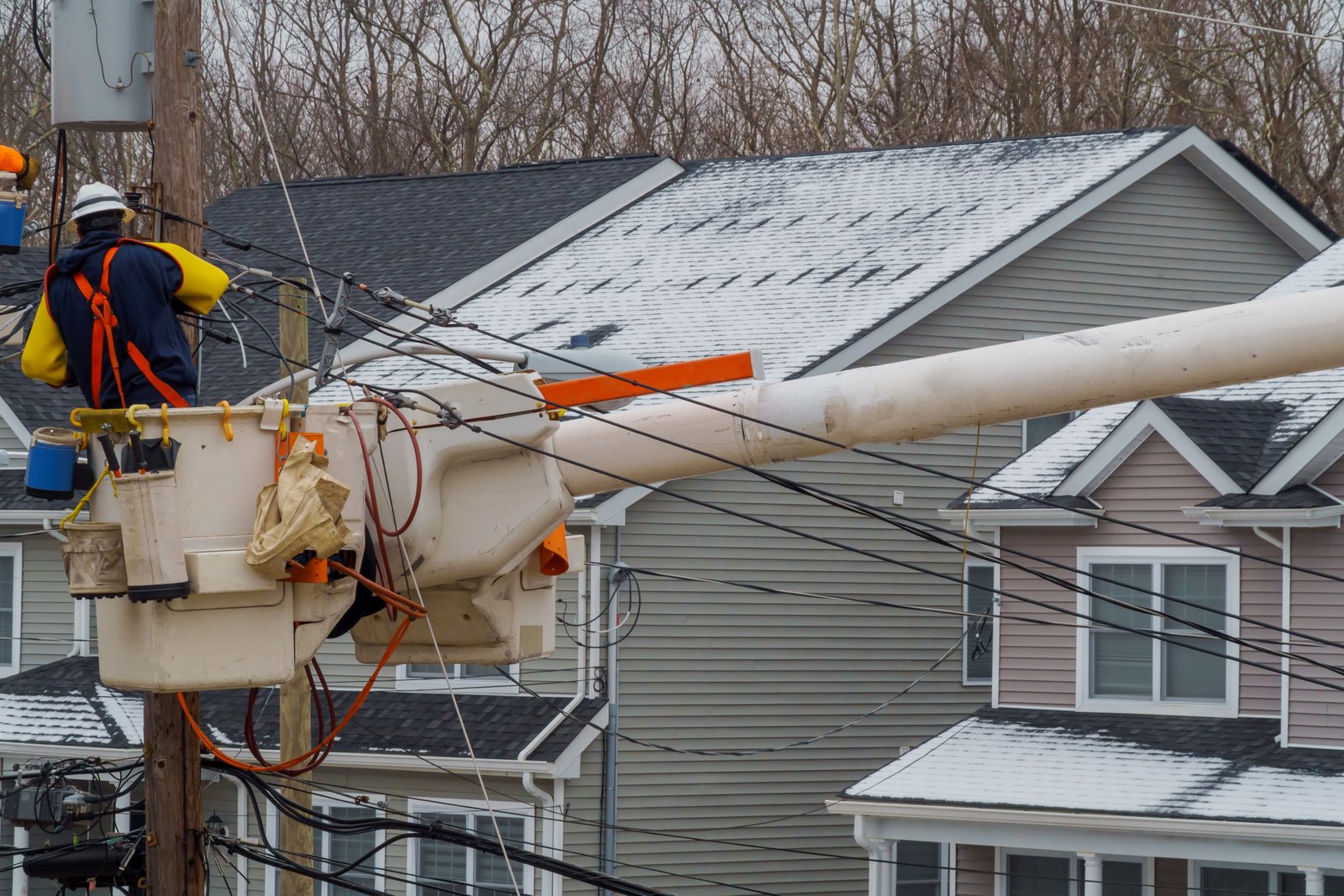
Picture a regional utility managing widespread outages after an ice storm knocks down power lines across several counties. Field crews log damage from their phones while county emergency managers watch shelter capacity and road closures update live. Consequently, leaders restore power to hospitals and warming centers first, without waiting hours for a consolidated report.
If your agency relies on a feed DLAN lacks, our interoperability and integration team connects it with no hidden costs. Afterward, responsive support engineers keep every connection running, so your data keeps flowing when pressure peaks.
Make Real-Time Data Sharing in Emergency Response Your Advantage
Real-time data sharing in emergency response replaces stale reports with a live picture every partner can act on. Connected dispatch, weather, mapping, and field data help leaders spot problems sooner and commit resources with confidence. Ultimately, faster and better-informed decisions mean safer responders and quicker help for the communities you serve.
BCG has spent more than four decades building mission-critical software and supporting every system it delivers. You get a partner who answers quickly, explains every term clearly, and never surprises you with hidden costs. Contact our team to schedule a DLAN demo and watch live data move between your partners in real time.

