
What Does True Interoperability Across Emergency Response Systems Look Like?
Nov. 25th, 2026 12:00 pm
When a disaster strikes, your dispatch center, operations center, and field crews each hold pieces of the same story. True interoperability across emergency response systems lets those pieces flow together so every partner sees the full picture. Without it, radios fail to connect, data sits in silos, and decisions slow down when speed matters most.
Many agencies believe their tools already talk to each other until a large incident proves otherwise. In this article, you will learn what real interoperability looks like and which barriers keep systems apart. You will also see how integration, mapping, and the right partner close the gaps for good.
What Does True Interoperability Across Emergency Response Systems Look Like?
True interoperability across emergency response systems means agencies share voice, data, and video in real time when authorized. Achieving it requires shared governance, common procedures, connected technology, joint training, and daily use. Finally, an integrated incident management platform ties those elements together into one common operating picture for every partner.
What True Interoperability Across Emergency Response Systems Means
Many agencies equate interoperability with radios, yet modern response depends on sharing far more than voice traffic. Today, your partners also need maps, resource lists, situation reports, weather feeds, and dispatch data in one place. True interoperability across emergency response systems means that information moves securely between agencies without retyping or translation.
According to the Cybersecurity and Infrastructure Security Agency (CISA), its national plan guides operability, interoperability, and continuity for emergency communications. The plan envisions responders sharing information securely across technologies in real time, at every level of government. In practice, that vision covers voice, data, and video, along with the procedures that govern how partners use them.
Similarly, public alerting shows how integration works at scale when several channels share one standard. According to the Federal Emergency Management Agency (FEMA), its alerting system delivers alerts to phones, radio, television, and weather radio.
Interoperability also has levels, ranging from swapping files after the fact to sharing live data during response. However, only live, automatic exchange keeps every partner working from the same facts as conditions change. As a result, your goal should be connected systems, not a stack of reports emailed between offices.
Common Barriers That Keep Emergency Systems Disconnected
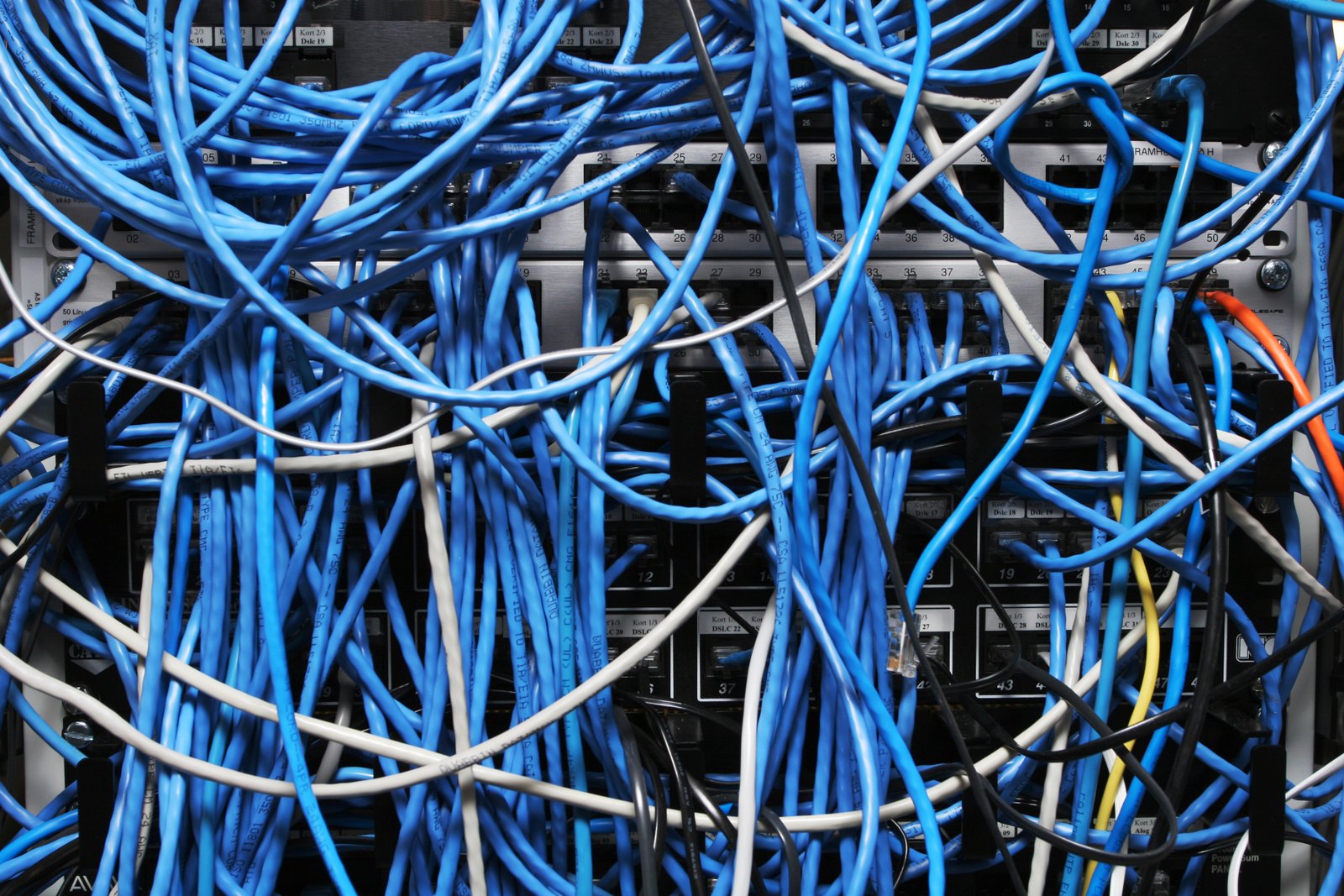
Even well-funded agencies run into obstacles when they try to connect tools built by different vendors over decades. Some barriers involve technology, while others come down to policy, trust, or habits formed over years of separate operations. Recognizing the most common ones helps you plan for true interoperability across emergency response systems.
-
Closed platforms: Legacy software stores data in formats that other agencies cannot read or import.
-
Missing integrations: Dispatch, mapping, and weather tools run side by side but never exchange information automatically.
-
Inconsistent terminology: Agencies label resources and incidents differently, so shared data still causes confusion.
-
Weak governance: No clear agreement defines who owns shared data, who can access it, or who maintains connections.
According to FEMA, its national incident management framework gives partners shared vocabulary, systems, and processes for working together. Still, common language only helps when your technology can carry that language between agencies in real time.
Cost concerns create another barrier, since some vendors charge extra for every new connection or data feed. Consequently, agencies delay integrations they need and fall back on phone calls and spreadsheets during incidents. Instead, look for partners who explain integration terms up front, with no hidden costs or surprise licensing fees.
Building True Interoperability Across Emergency Response Systems With DLAN
Closing the gaps starts with a platform designed to connect, rather than a collection of tools patched together later. Emergency managers helped shape DisasterLAN (DLAN), and our in-house engineers built every capability as one cohesive system. In turn, planning, duty officer workflows, information sharing, and executive oversight all live in one common operating picture.

From there, flexible application programming interfaces (APIs) let DLAN exchange data with dispatch, weather, and partner systems. Meanwhile, geographic information system (GIS) integration places incidents, resources, and hazards on shared maps every partner can read. Together, those connections deliver true interoperability across emergency response systems without forcing agencies to abandon trusted tools.
Picture a university hosting a championship game while a severe storm moves toward the stadium. Campus police, city fire crews, the local utility, and county emergency managers all log updates in the same system. Because weather alerts, crowd reports, and power status appear together, leaders adjust plans before conditions turn dangerous.
When you need a connection DLAN lacks, our interoperability and integration services team builds it on clear, transparent terms. Furthermore, broadly useful integrations may reach every customer with a current support package at little or no cost.
Connect Every System and Every Partner Before the Next Emergency
True interoperability across emergency response systems turns scattered tools into one connected, reliable source of truth. Clear governance, common terms, and regular practice prepare your people, while integrated technology carries their information. When every piece works together, your partners spend less time hunting for data and more time protecting lives.
Our team brings decades of engineering experience and professional and support services that grow alongside your partner network. You gain a responsive partner who knows emergency management, explains every term clearly, and never hides costs. Reach out to our interoperability experts to map a connected future for every system your agencies rely on.

