What Is a Full Mission Bridge Simulator?
Sep. 29th, 2026 12:00 pm
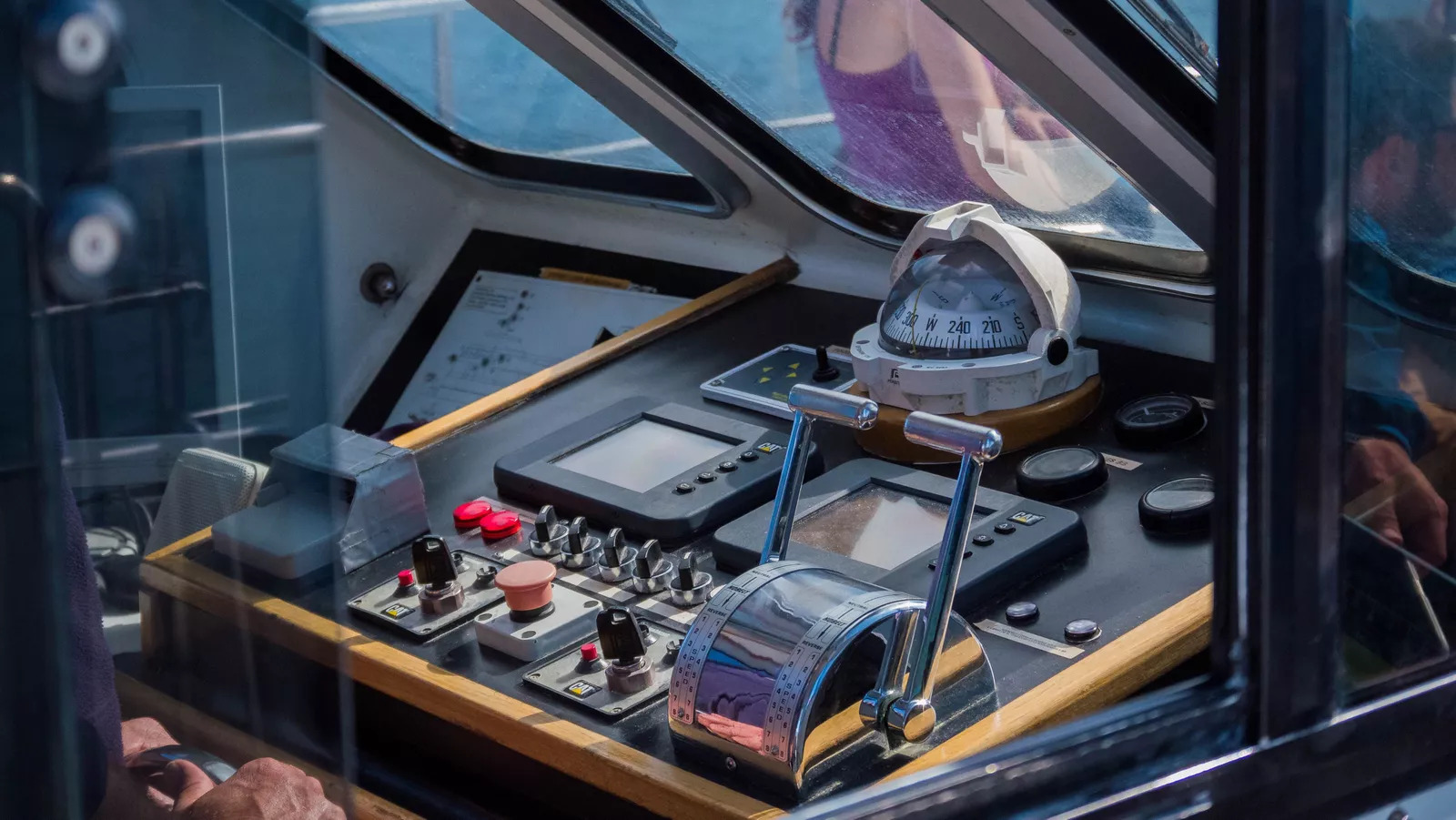
Maritime training has changed quite a bit over the last two decades. Crews still learn aboard real vessels, and that will never go away. Still, much of the early groundwork now happens ashore inside a full mission bridge simulator. This kind of system recreates an entire ship's bridge, right down to the equipment layout and the view through the windows.
Mariners can practice situations that are commonly encountered (night approach into a congested harbor, bad weather sailing, etc.) without human or vessel risk. Instructors can pause the scenario, reset it, and run it again. That combination of realism and repeatability is exactly why these systems have become a fixture at academies, defense training centers, and pilot associations around the world.
What Makes a Full Mission Bridge Simulator
Not every simulator earns the label. Desktop and part task simulators focus on one skill at a time, like radar plotting or chart work. They are important training tools that are useful, affordable, and easy to scale across a classroom. A full mission system aims higher.
The defining feature is immersion across the whole team, not just one trainee. The room is built to resemble a working wheelhouse. Visuals typically wrap around the trainee at a wide field of view, often 240 degrees or more. Ship motion, weather, sea state, and traffic all respond in real time. Watch officers, helmsmen, and lookouts all work together in their actual roles.
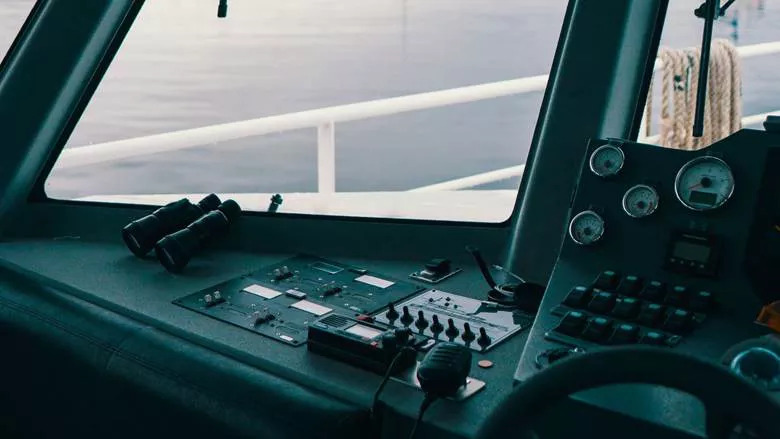
Behind the scenes, an instructor drives the exercise from a separate control station. Modern instructor control software lets a single operator manage dozens of vessels and hundreds of targets. The instructor can introduce fog, kill an engine, or send a small craft across the bow at the worst possible moment. Students never know what is coming next and that uncertainty is a key point of simulated training.
The Core Components Inside a Full Mission Bridge Simulator
Every installation looks a little different. Budget, available floor space, and the type of vessel all shape the build. Most full mission bridges, however, share a familiar set of building blocks.
-
Visual system. Projectors or LED walls render the out-the-window scene, including ports, waterways, aids to navigation, and other traffic.
-
Radar and ARPA displays. These emulate real shipboard radar units so trainees learn the same controls they will use at sea.
-
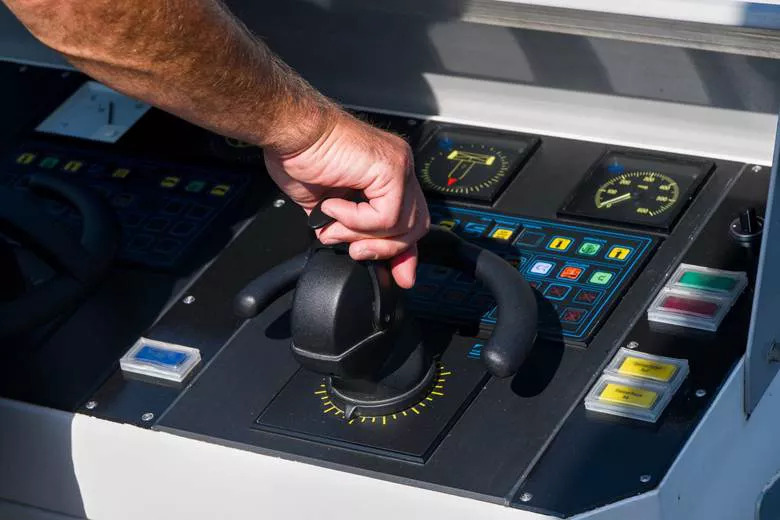
Steering and conning consoles. Physical helm, throttle, thruster, and rudder controls give the bridge team genuine tactile feedback.
-
Navigation equipment. GPS, gyro repeaters, wind indicators, and depth sounders round out the picture.
-
Communication equipment. VHF, UHF, MF/HF and GMDSS stations let the team hail traffic, contact vessel traffic services, and run distress procedures.
-
Instructor station. This is where scenarios are created, monitored, recorded, and replayed for debrief.
The hardware matters, but so does the software connecting it. Every bridge component has to share one correlated picture of the simulated world. When a target vessel changes course, the radar, the ECDIS, and the visual scene all need to agree and match for related navigation information.
Why Full Mission Simulation Improves Crew Performance
Regulatory bodies have recognized simulator training for years. The STCW Convention allows simulation to satisfy portions of required sea service and competency assessment. That regulatory acceptance drove early adoption. The operational benefits have kept it growing.
Consider what a simulator lets you rehearse safely:
-
Heavy weather transits and restricted visibility approaches
-
Engine or steering failures in narrow channels
-
Man overboard recovery and emergency towing
-
High traffic density scenarios and close quarters situations
None of these can be practiced deliberately on a real ship carrying real cargo. Simulation also allows a crew to fail. Failure inside a controlled environment turns into a teaching moment instead of a casualty report.
Debrief is where much of the learning lands. Recorded playback shows the team exactly where the situation started to slip away. Communication breakdowns become visible. Bridge resource management stops being an abstract concept and becomes something people can see in their own performance.
Where Bridge Simulation Fits Beyond the Merchant Fleet
Commercial deck officer training is only part of the story. Naval and coast guard programs use full mission bridges for tactical navigation, boarding operations, and search and rescue coordination. Port authorities and pilot groups model new terminal designs before construction begins. Offshore energy operators rehearse dynamic positioning and platform approaches. Harbor security teams train on threat detection using the same radar pictures they will monitor on watch.
The equipment behind these programs often needs to be adapted rather than bought off a shelf. That is where engineering depth becomes important. Buffalo Computer Graphics has spent more than four decades building radar simulation, communication emulation, and virtual navigation devices used in full mission environments worldwide. Our team designs the hardware and writes the software for key subsystems of the full mission bridge. When a training center needs a specific radar model or communication system whether legacy or new, our engineers can build it.
Interoperability is a common request as well. Our simulation control interface works alongside third-party systems through standard NMEA-0183 messages or a dedicated API. Training centers rarely start from zero, so most need new capability that plays nicely with equipment they already own.
Let's Build the Maritime Simulation for Your Program
You may be planning a brand new simulation lab. You may be modernizing a facility that has served you well for fifteen years. Either way, the right starting point is a conversation about your courses, your students, and the vessels they will actually sail. We would rather understand your training goals first and talk equipment second.
Our engineers work directly with academies, government agencies, and defense programs to shape maritime simulation solutions around real curriculum needs. Ready to see what BCG simulation could look like at your facility? Request a demo and let's talk through your simulation goals.Maritime training has changed quite a bit over the last two decades. Crews still learn aboard real vessels, and that will never go away. Still, much of the early groundwork now happens ashore inside a full mission bridge simulator. This kind of system recreates an entire ship's bridge, right down to the equipment layout and the view through the windows.

