What Is Maritime Simulation and Why Training Facilities Need It
Sep. 30th, 2026 12:05 pm
Every mariner remembers the first time they were handed the helm of a real vessel. The heart rate climbs and the radar screen looks filled with clutter. Somewhere in the traffic separation scheme, a decision has to be made in seconds. Maritime simulation exists so that moment happens in a controlled classroom first, not in a crowded shipping lane. For academies, military training commands, and commercial operators, simulation has become the safest and most repeatable way to build competent mariners.
Training facilities today face rising expectations from regulators, insurers, and employers. Cadets need more sea time than berths can provide. Experienced officers need refresher hours on unfamiliar equipment. Simulation closes both gaps without burning fuel or risking hulls.
What Maritime Simulation Actually Means
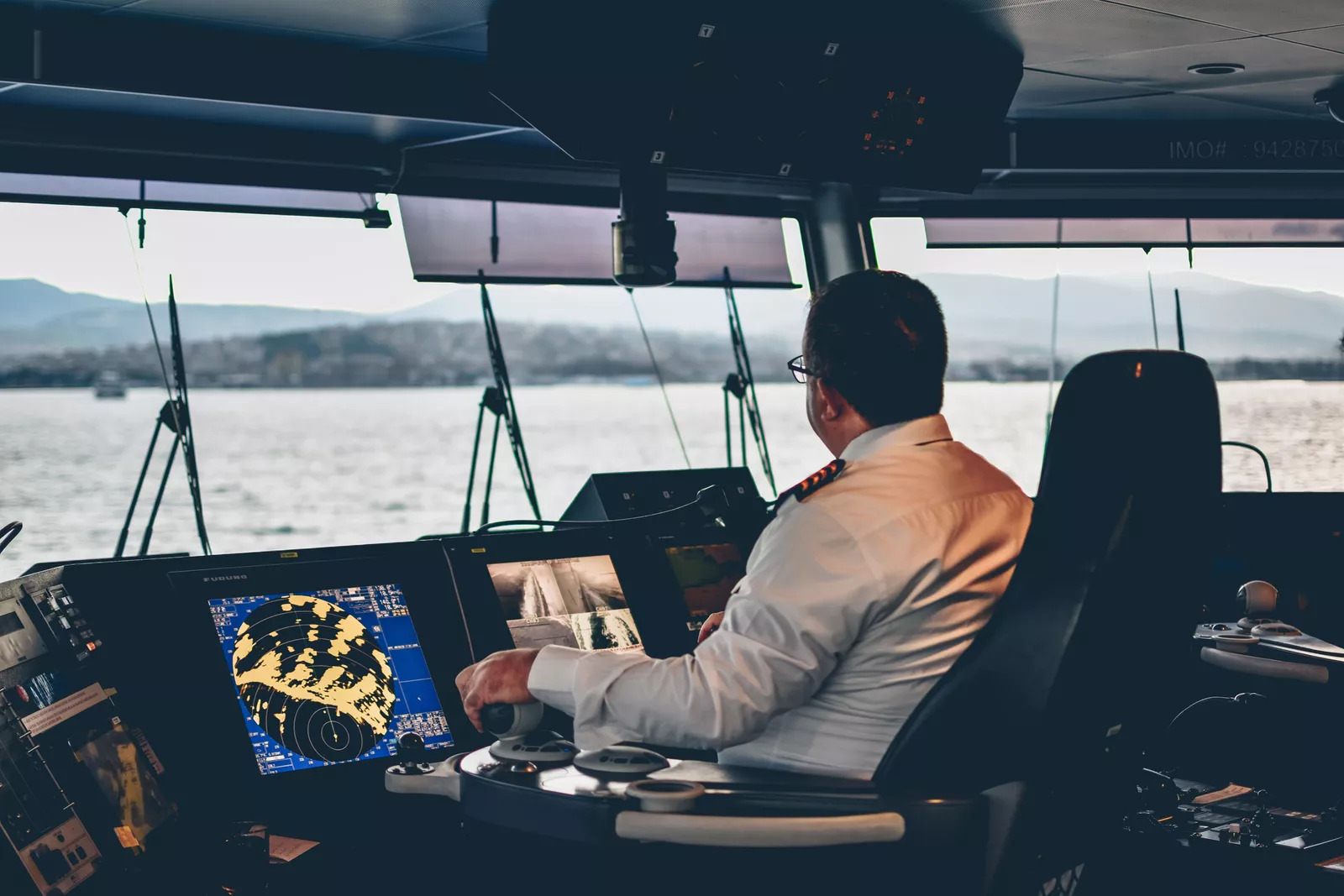
Maritime simulation recreates the bridge environment using software, hardware, and realistic visual scenery. Trainees stand at working consoles. Instructors control the weather, the traffic, and the equipment failures. The scenario unfolds exactly as it would at sea.
Modern maritime simulation systems range widely in scale. Some are desktop trainers used for individual skill drills. Others are full-mission bridges with wraparound visuals and multiple ownships. Both serve a purpose, and many programs use a mix of the two.
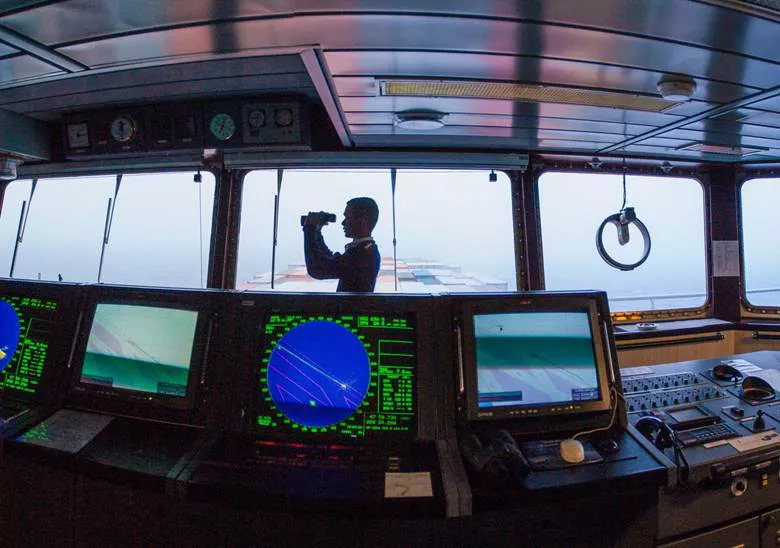
The value comes from repeatability. A student can run the same restricted-visibility transit five times in an afternoon. Each run can introduce a new variable. That kind of deliberate practice is nearly impossible to arrange on a live vessel.
Why Time on the Water Is No Longer Enough
Sea time remains essential. It is also expensive, limited, and unpredictable. A cadet might sail an entire rotation without encountering dense fog, a steering casualty, or a close-quarters situation in a narrow channel.
Simulation guarantees exposure to the events that matter most. Instructors can place a trainee in a collision-avoidance scenario on demand. They can freeze the scenario, discuss the decision, and rewind. That teaching loop has no equivalent on a moving ship.
There is also a safety argument that is hard to ignore. High-risk maneuvers can be rehearsed dozens of times before anyone attempts them with a real hull and a real crew. Mistakes become learning moments instead of incidents.
Programs commonly use simulation to build competence in areas such as:
-
Collision avoidance and rules of the road application
-
Restricted visibility and heavy weather transits
-
Pilotage, docking, and confined water handling
-
Emergency communications and distress procedures
-
Bridge resource management and team coordination
-
Equipment failure response and degraded mode operations
The Building Blocks of a Modern Maritime Simulation Suite
A simulator is not one product. It is a set of connected components that work as a single training environment. Understanding those pieces helps facilities plan realistic budgets and phased rollouts.
Most programs build around a few core elements. Radar simulation drives target acquisition, ARPA plotting, and traffic interpretation. It is often the first capability a facility invests in, because radar skills degrade quickly without practice. The radar and ECDIS work hand-in-hand to provide a full navigation picture, so integration of these two systems is critical.
Communications training is the next common pillar. GMDSS and communication simulation lets trainees practice distress alerting, routine traffic, and coordination with shore stations. The procedures are precise, and the only way to learn them is to run them repeatedly.
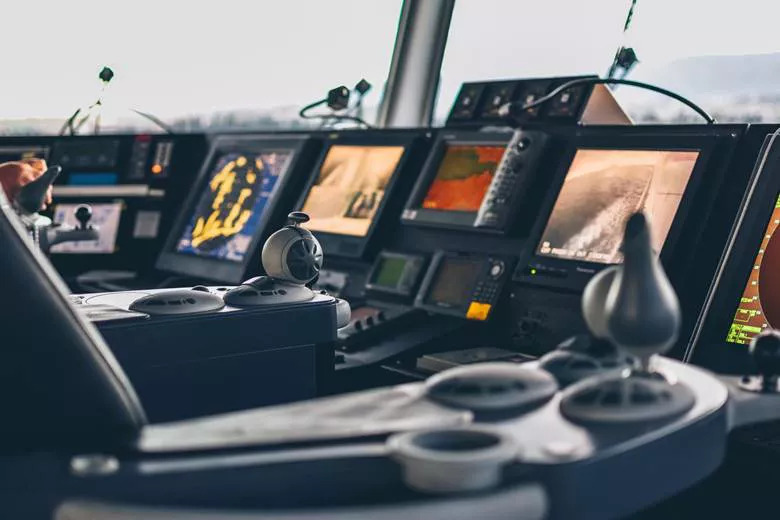
Ship handling requires physical controls. Steering and conning consoles give students the tactile feedback of a real bridge. Muscle memory matters when a rudder order has to be given without hesitation.
Tying it all together is the instructor position. A capable instructor control station allows staff to build scenarios, inject faults, monitor multiple students, and debrief with recorded playback. Without strong instructor tooling, even excellent hardware goes underused.
What to Look for in a Simulation Partner
Hardware and software are only part of the decision. Training facilities are making a long-term commitment. Systems need updates, technical support, and the flexibility to grow as curricula change.
Ask how the system is architected. Modular platforms let a facility start with a classroom of desktop trainers and expand toward full-mission bridges later. Vendors who develop in-house can respond faster to feature requests and regulatory changes.
Support responsiveness deserves equal weight. A simulator that is down during an accreditation visit creates real problems. Direct access to engineers who know the codebase makes a measurable difference.
Buffalo Computer Graphics has built maritime simulation systems since the 1980s. Our engineering team designs, builds, and supports the platform directly, with no outsourced development. That approach keeps the same people responsible for the system through its entire service life.
We work with maritime academies, military training commands, and commercial operators worldwide. Our systems appear in Coast Guard and Department of Defense training programs. Configurations range from single-station radar trainers to networked, multi-bridge facilities, and you can review representative deployments on our maritime customers page.
Let's Talk About Your Training Program
Your facility has specific goals. Maybe you are launching a new radar course or modernizing consoles that have served well past their expected life. Maybe you need to expand throughput without adding sea days.
We would rather understand your program than send you a generic brochure. Our team can walk through your curriculum, your space, and your accreditation requirements. Then we can show you what a fitted configuration would actually look like.
Seeing the system run tends to answer more questions than any spec sheet. Request a demo and let us put you on the bridge.

